WasteMate is an independent service and is not affiliated with any council. Always confirm local rules with your council. Report an error.
Learning Hub
Expand your eco-knowledge with these handy tips!
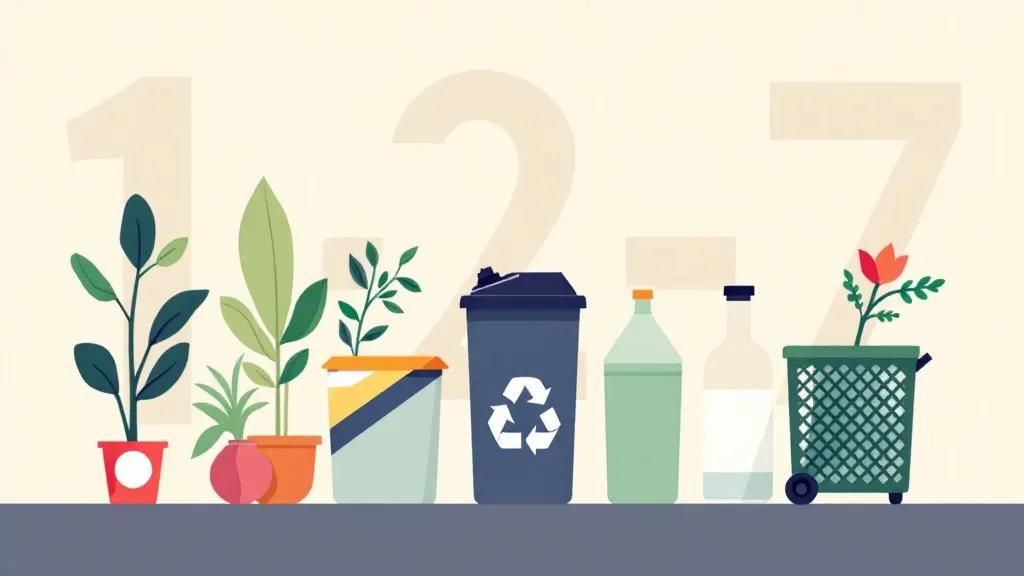
Those little numbered triangles on plastic don't mean an item is recyclable. Learn what the 1 to 7 resin codes actually tell you, and which plastics your yellow kerbside bin in New Zealand will genuinely accept.
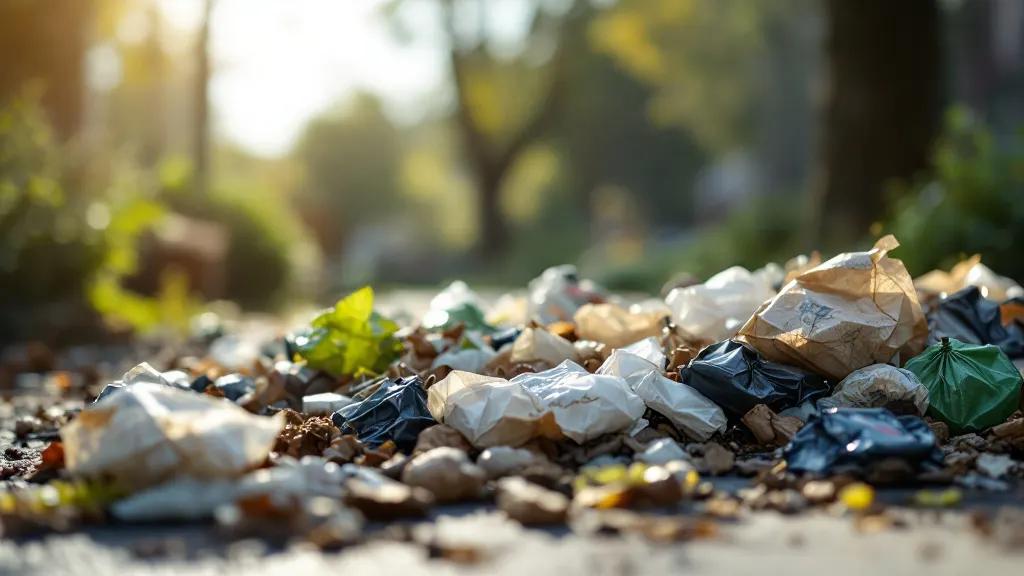
A single greasy pizza box or half-full milk bottle can spoil an entire truckload of recycling. Here's why contamination is the number one problem in kerbside bins, and the simple habits that keep your recycling genuinely recyclable.
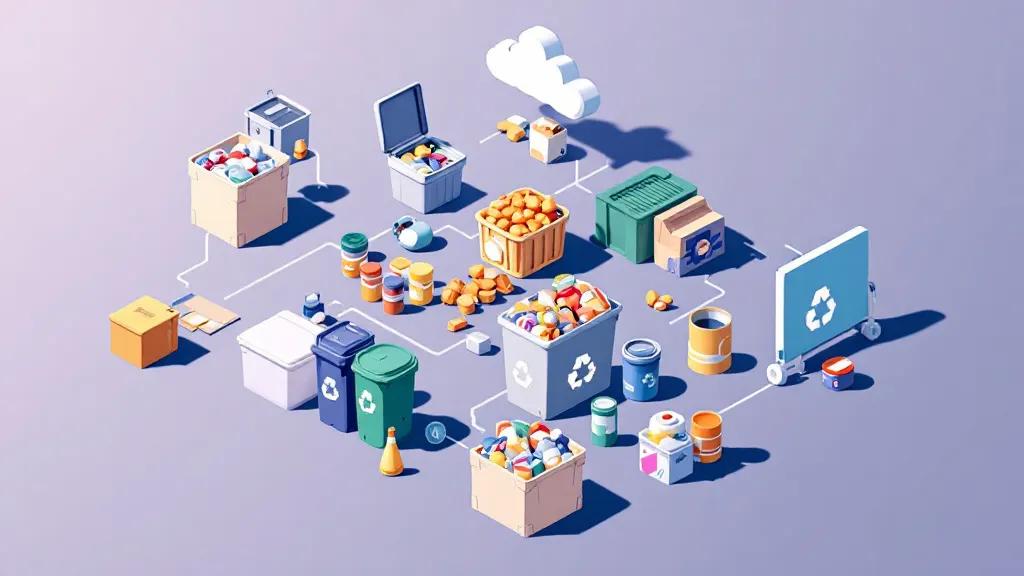
Ever wondered where your yellow-bin recycling really ends up? We follow the journey from your kerb to the sorting facility and beyond — and explain why what you put in the bin matters more than you might think.
Ever wondered where your yellow-bin recycling goes after the truck drives off? We follow the journey from kerbside to sorting facility to end market — and explain why what you put in the bin really matters.
A new baby can generate a surprising mountain of rubbish, from nappies to packaging. Here are practical, judgement-free ways New Zealand parents can cut waste without adding stress to already busy days.

A real Christmas tree can become useful mulch instead of landfill. Here's how to strip, chip, and dispose of your tree responsibly across New Zealand — from kerbside green bins to community collection drives.
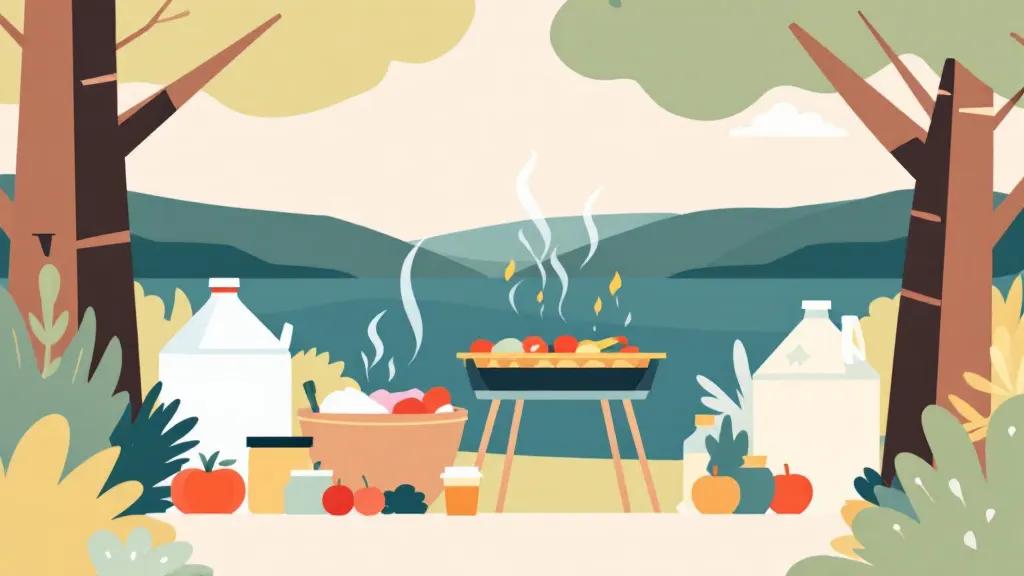
Summer gatherings can generate a surprising amount of rubbish, but a few smart swaps keep your BBQ fun and low-waste. Learn how to plan food, pick reusable gear, and sort the leftovers so more stays out of landfill.
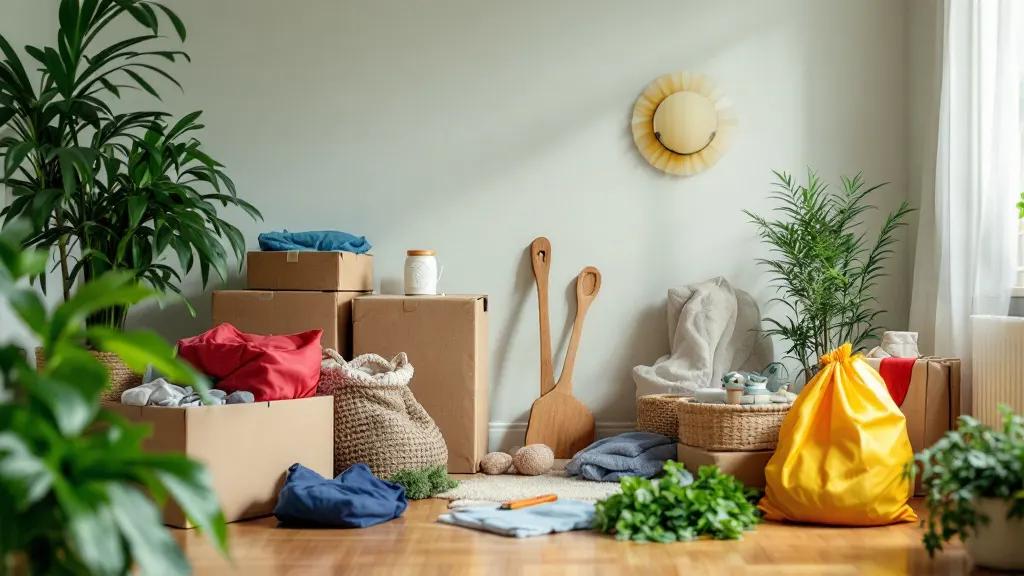
Moving house often means a mountain of unwanted stuff — but most of it doesn't belong in the skip. Here's how to sort, sell, donate and recycle your way to a lighter move and a lighter landfill.
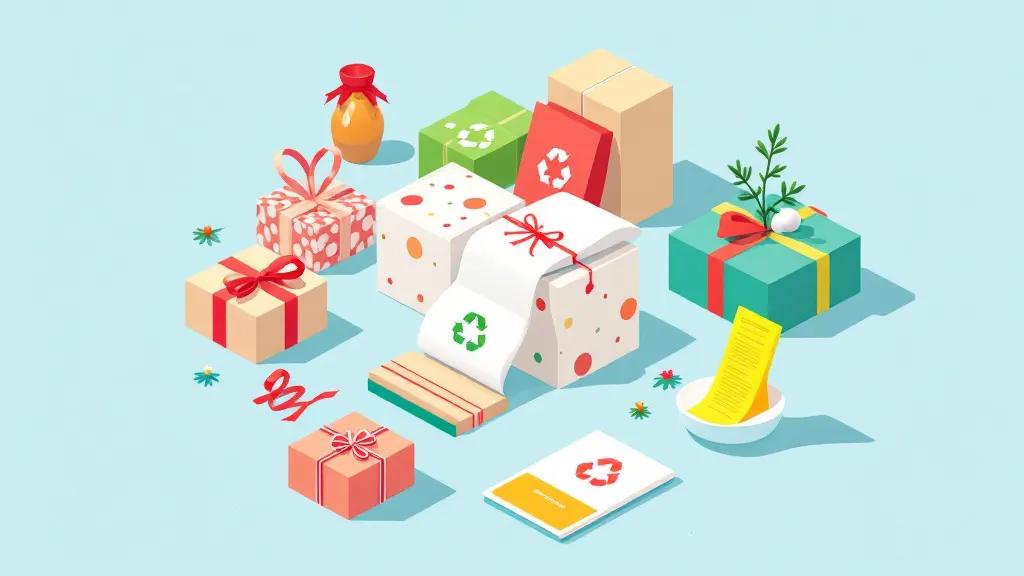
Christmas leaves behind mountains of wrapping paper, cards and ribbons — but not all of it belongs in your yellow bin. Learn what to recycle, what to bin, and how to cut waste next year.
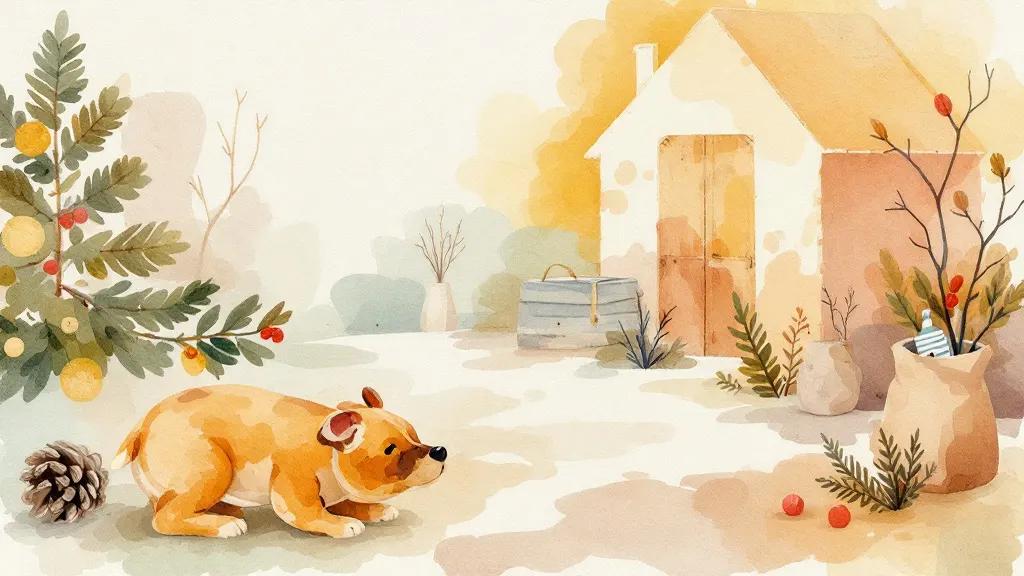
A Kiwi Christmas can generate mountains of rubbish, from wrapping paper to overflowing food scraps. Here's how to celebrate the season with thoughtful gifting, smarter feasting, and recycling that actually works.
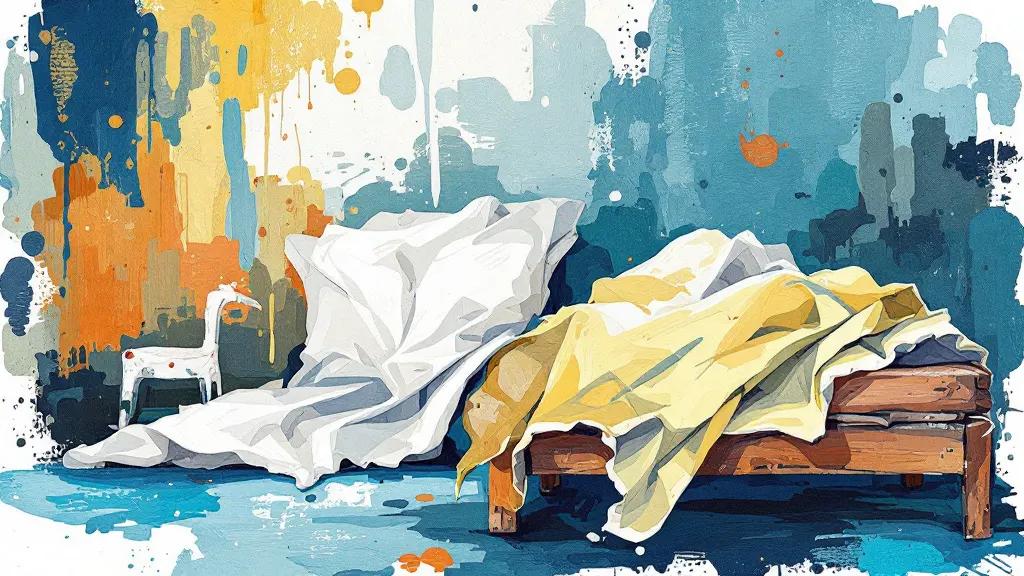
Old towels and sheets don't belong in the yellow bin, but they rarely need to hit landfill either. Here's how to reuse, donate, repurpose or textile-recycle your worn-out linen the smart way.
Ripping up old carpet during a renovation? It can't go in your kerbside bin, but there are better options than landfill. Here's how to divert carpet and underlay through reuse, specialist recyclers and responsible disposal.
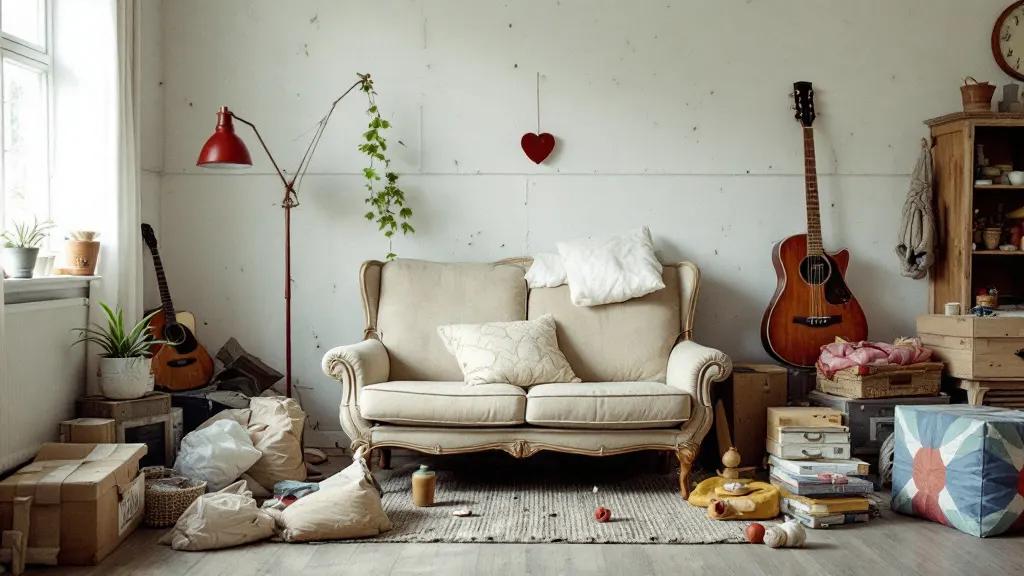
That old couch or wobbly table doesn't have to end up in landfill. From donation and repair to upcycling and specialist recyclers, here's how to give unwanted furniture a second life the Kiwi way.
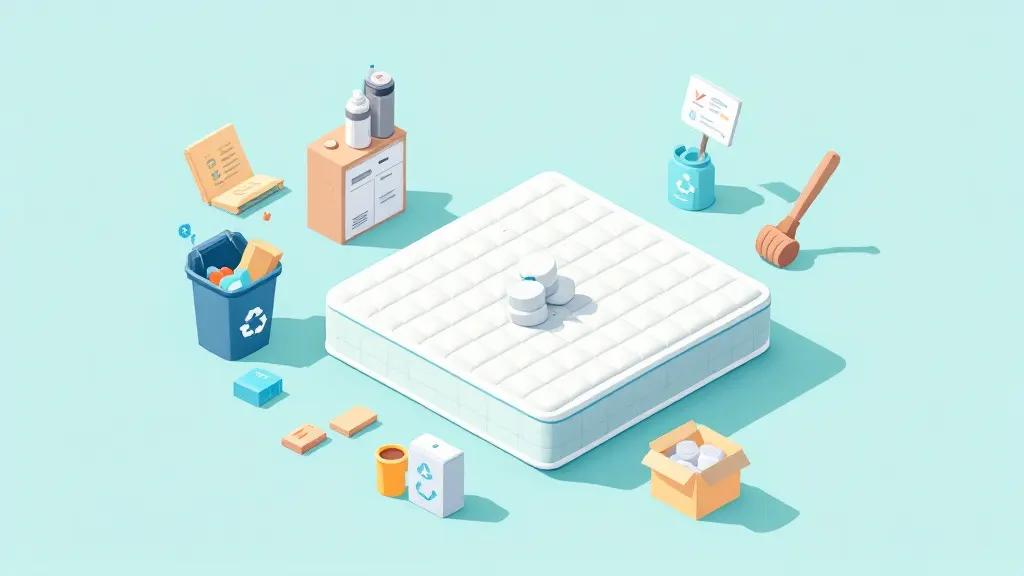
Old mattresses are bulky, awkward, and definitely not kerbside recycling. Here's how to dispose of yours responsibly in New Zealand — from dedicated recycling schemes to transfer stations, donation, and cutting waste in the first place.
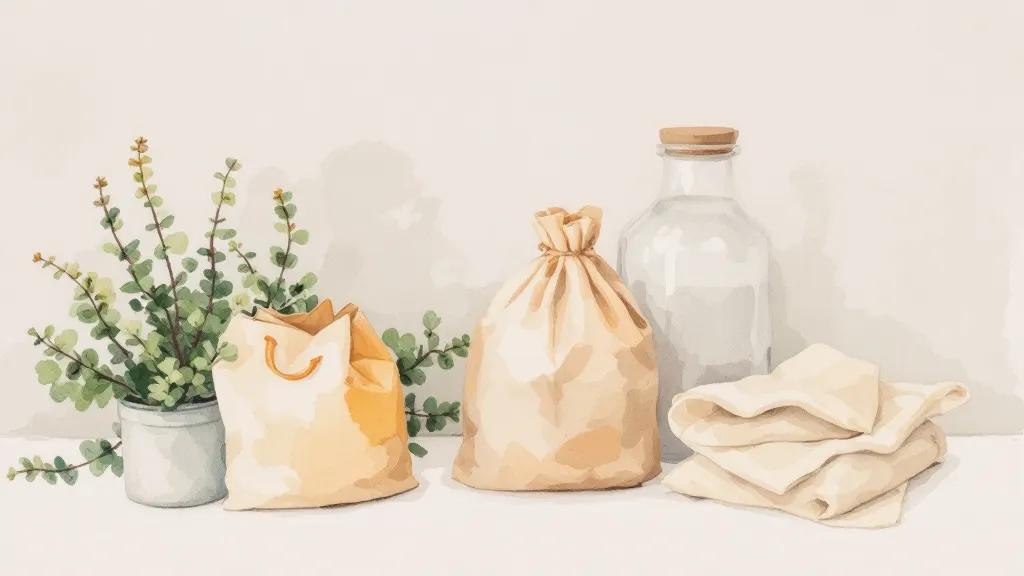
New Zealanders send tonnes of textiles to landfill every year, but most old clothes and shoes have a second life ahead of them. Here's how to donate, sell, repurpose, or responsibly dispose of them.
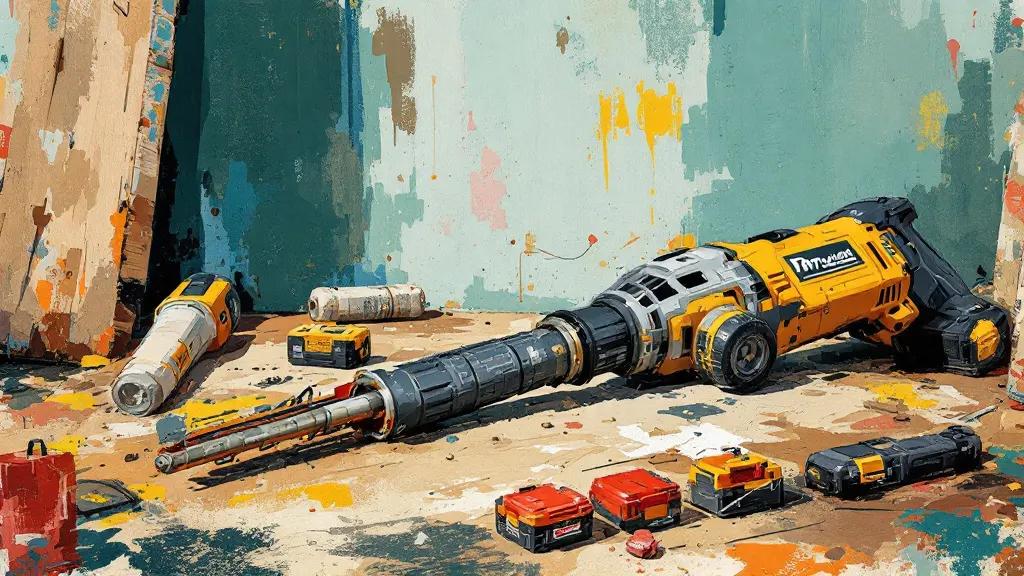
Old drills, saws and their lithium-ion batteries shouldn't go in any kerbside bin — the batteries are a real fire risk. Here's how to safely repair, donate, recycle or dispose of power tools the Kiwi way.
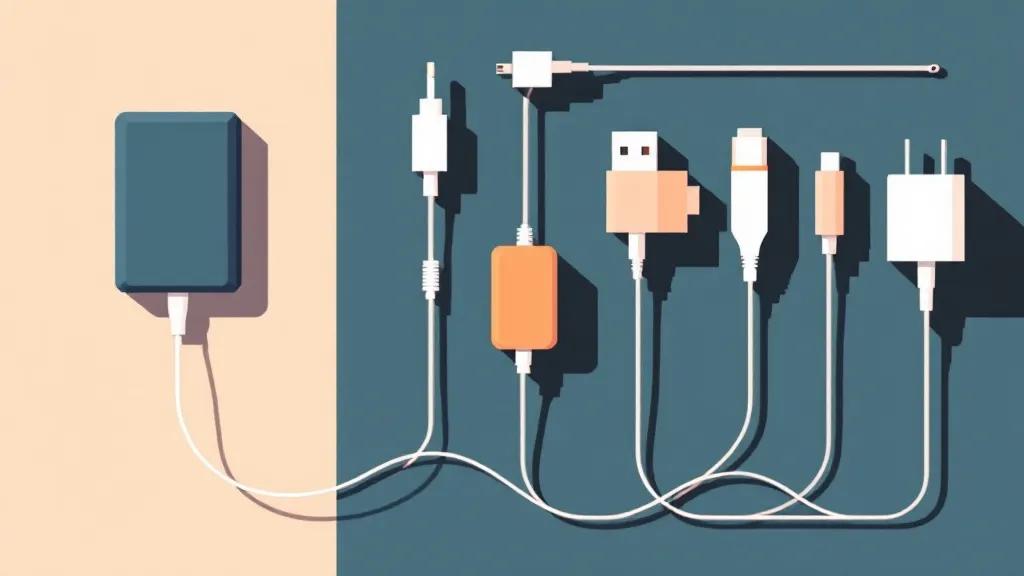
Tangled drawers full of old chargers and cables aren't rubbish for the red bin — they're valuable e-waste packed with copper and recyclable metals. Here's how to sort, store and safely recycle them in New Zealand.
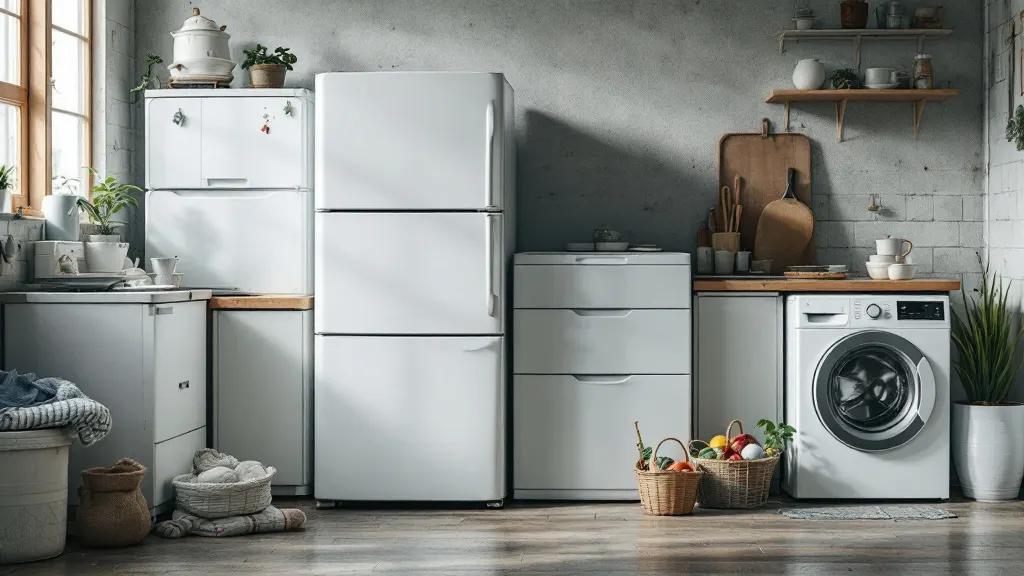
Old fridges, washing machines and dryers are far too big and valuable to put out with the general rubbish. Here's how to recycle, sell, donate or dispose of your whiteware responsibly in New Zealand.

A broken TV or monitor doesn't belong in your kerbside bins — it's e-waste that needs special handling. Here's how to recycle it safely in New Zealand and keep hazardous materials out of landfill.
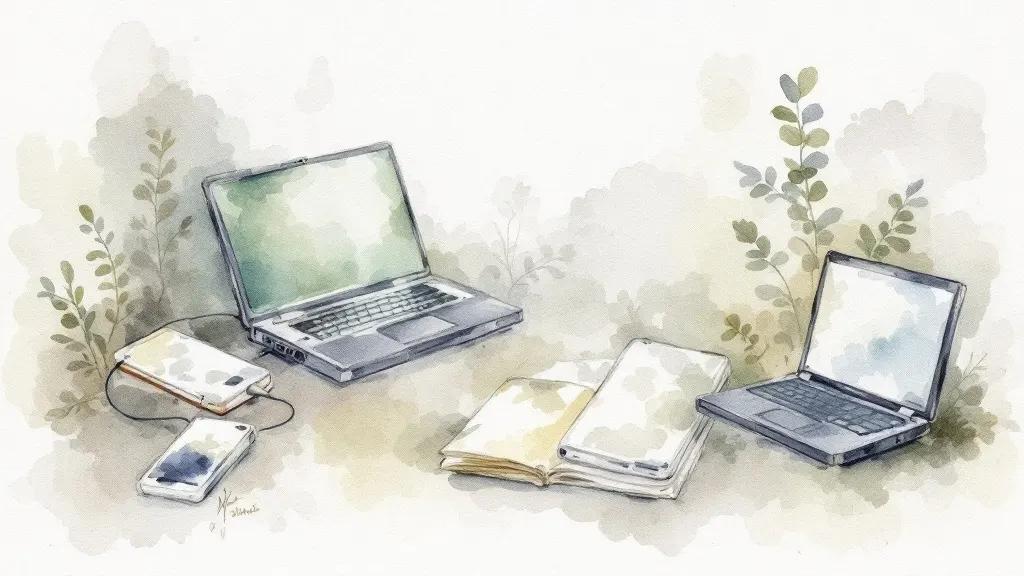
Old phones and laptops are packed with valuable metals and toxic components that should never go in your kerbside bin. Here's where to take them across New Zealand — from retailer drop-offs to accredited e-waste recyclers.

Asbestos is one of the most dangerous materials you can encounter during home renovations. Learn how to identify it, why DIY removal is risky, and the safe, legal ways to dispose of it in New Zealand.
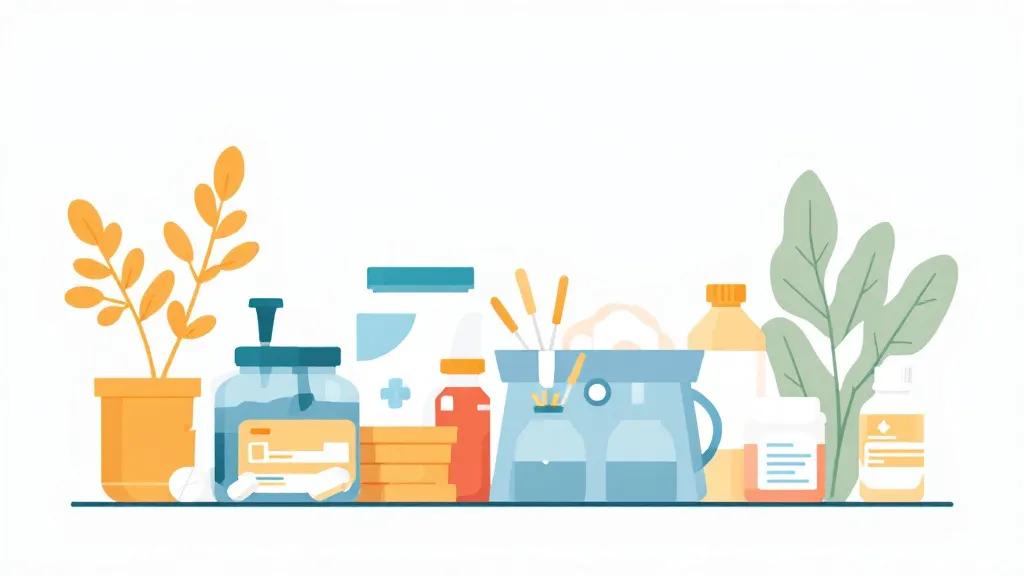
Old medicines shouldn't go in your rubbish, down the sink, or the toilet. Learn why they're a hazard and how New Zealand's free pharmacy take-back scheme makes safe disposal simple.
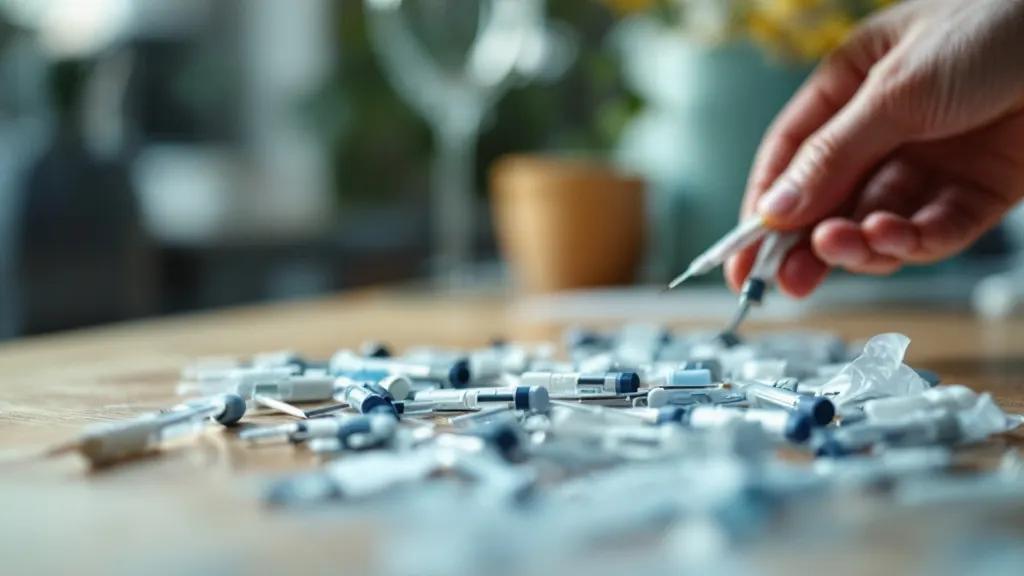
Used needles, lancets and syringes can injure others and spread infection if they end up in your kerbside bins. Here's how to store, contain and dispose of medical sharps safely in New Zealand.
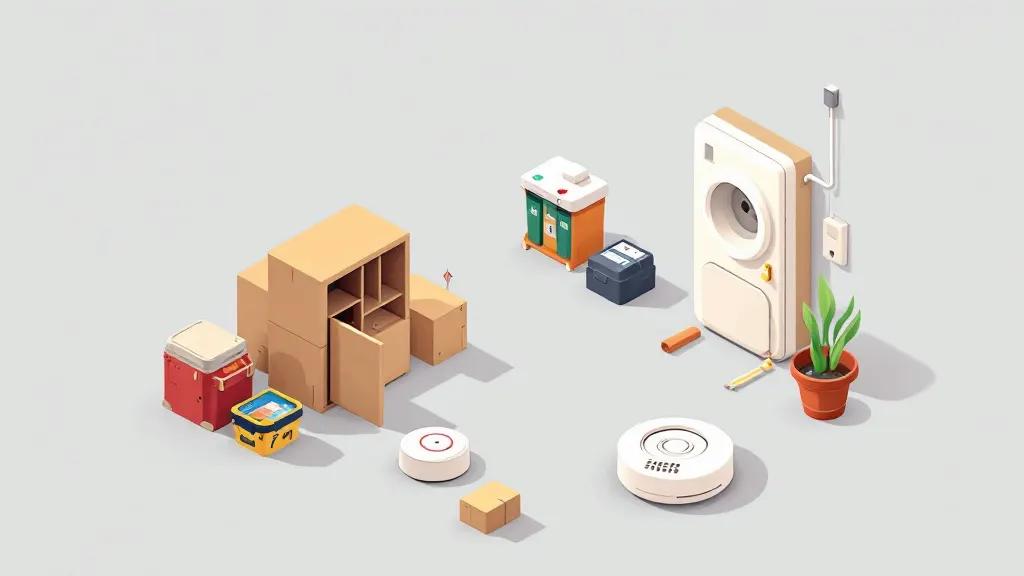
Old smoke alarms aren't ordinary rubbish — many contain a tiny radioactive source or a sealed lithium battery. Here's how to tell the two main types apart and dispose of them safely in New Zealand.
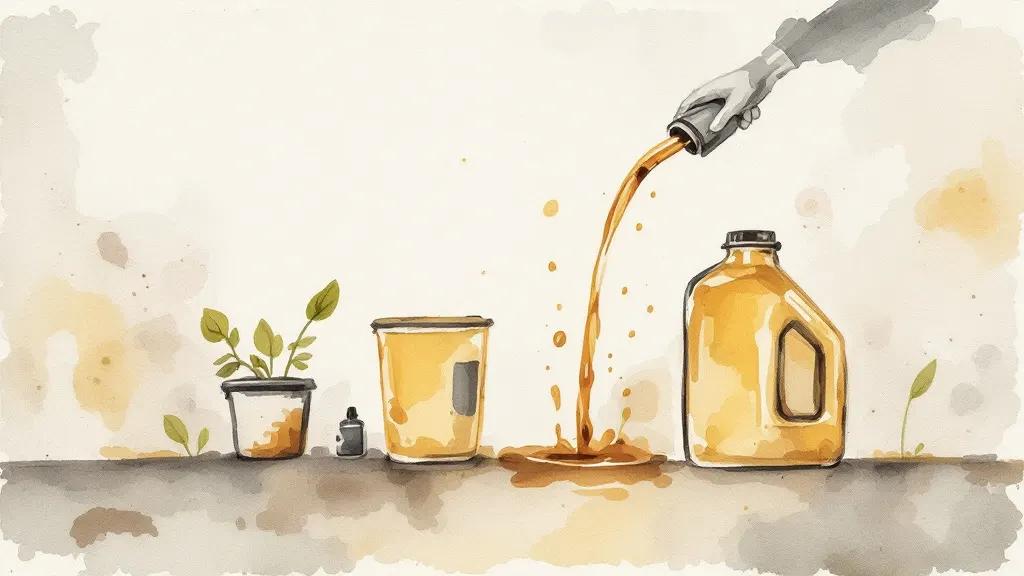
Used motor oil and car fluids are toxic and can't go in any kerbside bin. Learn how to store them safely and where to drop them off — from transfer stations to retailers — so they're recycled or disposed of properly.
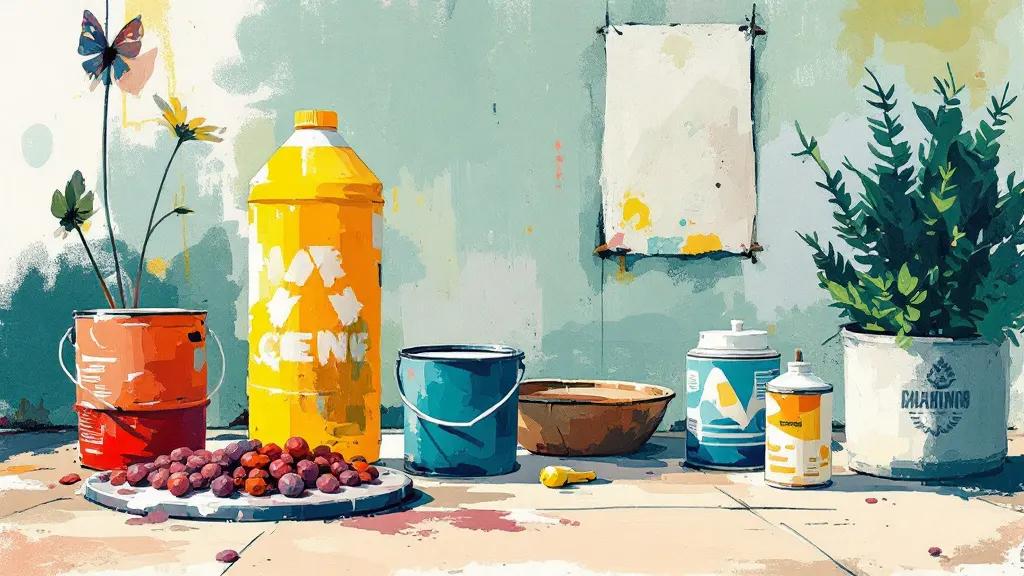
Leftover paint, solvents and garden chemicals don't belong in your kerbside bins or down the drain. Here's how to store them safely and where to take them across New Zealand.
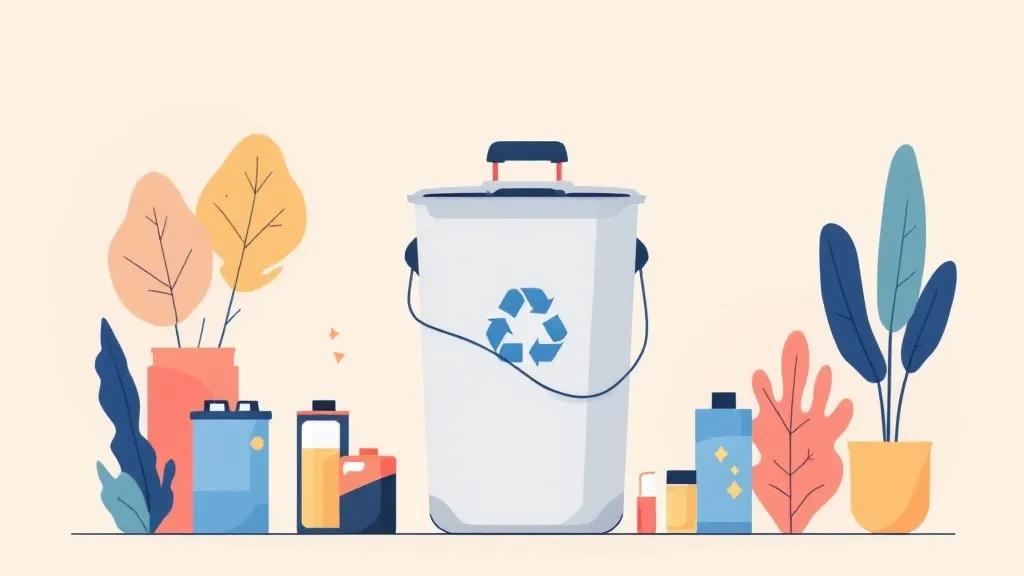
Household batteries don't belong in your kerbside bins — they can spark fires and leak heavy metals. Here's how to store, tape, and drop off your dead batteries safely at the right collection points across New Zealand.
Grass clippings are a garden asset, not rubbish. Learn how grasscycling, composting and mulching turn your lawn trimmings into free fertiliser — and what to do if you can't reuse them at home.
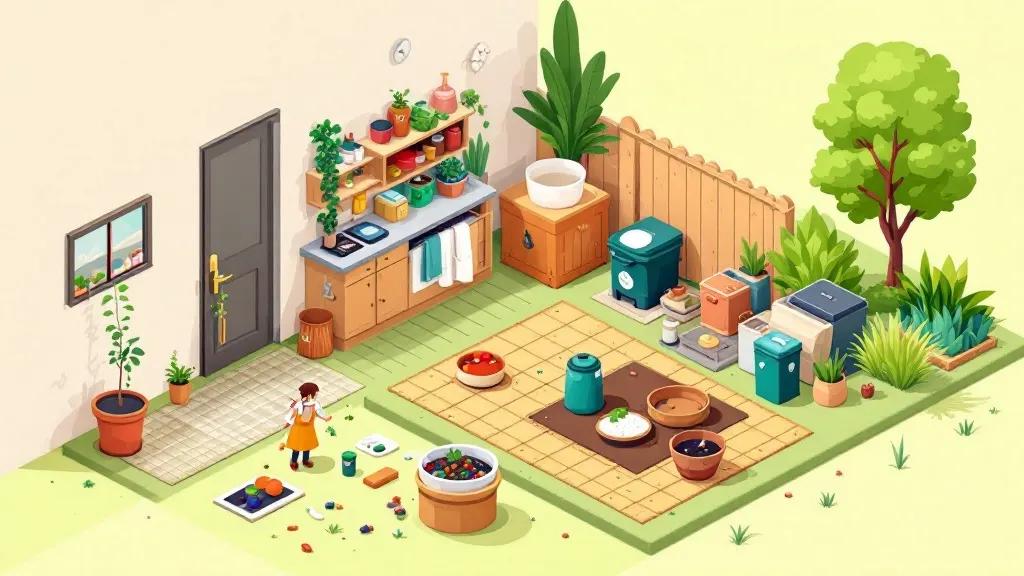
No backyard? No problem. Apartment and townhouse dwellers can still turn food scraps into rich compost using bokashi bins, worm farms, or shared community drop-offs. Here's how to compost in small spaces without the mess or smell.
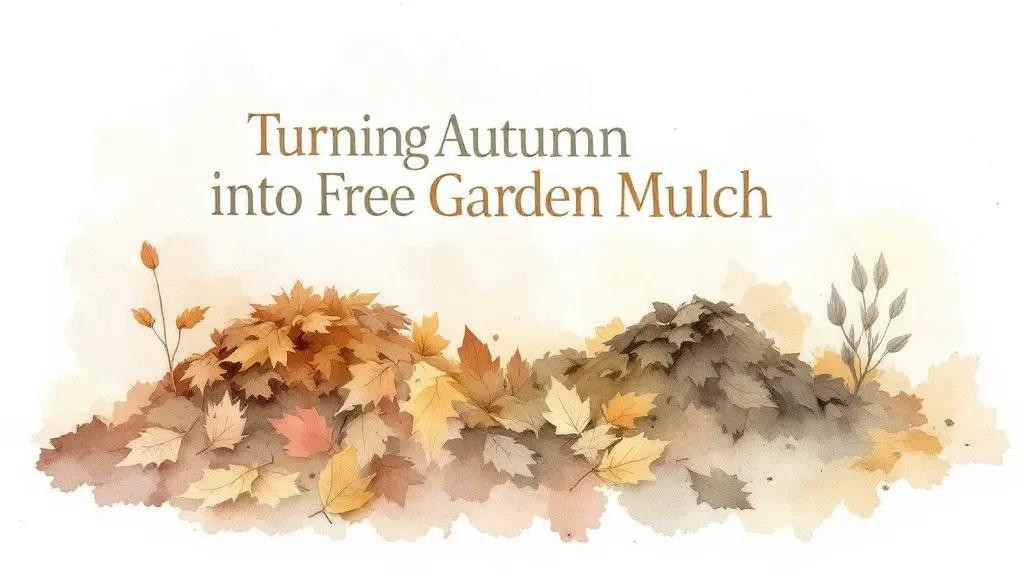
Every autumn, tonnes of fallen leaves head to the kerb — but they're actually free garden gold. Here's how to turn them into leaf mould and mulch that feeds your soil, saves money, and cuts green waste.
No green bin? You've still got plenty of options for lawn clippings, prunings and leaves. From home composting to worm farms and transfer-station green-waste drop-offs, here's how to keep garden waste out of your red bin.
Chuck citrus, onion and last night's dinner scraps in the compost? Plenty of gardeners swear you shouldn't — but most of the fear is outdated. Here's what truth about what really belongs in your bin, and how to compost tricky scraps safely.

Kerbside food scraps bins are rolling out across more of New Zealand, but getting the contents right matters. Here's a clear guide to what belongs in the green caddy, what definitely doesn't, and why it makes a difference.
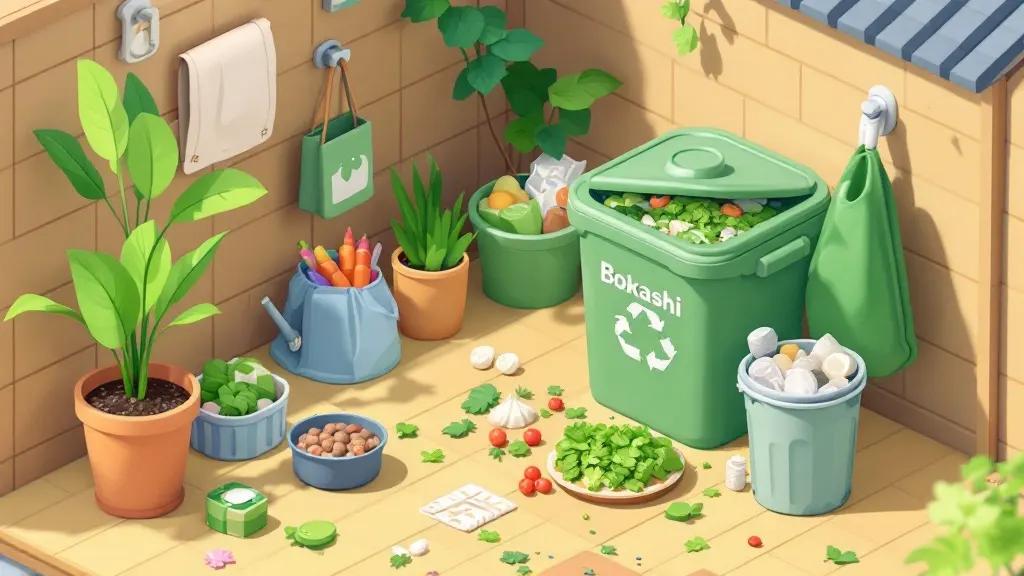
Bokashi is a compact, low-odour way to turn food scraps into compost — perfect for flats and small NZ homes with no garden. Here's how to set one up and keep it running smoothly.
That triangle-arbins on your milk bottle isn't the Australlasian Recycling Labelel (ARL) — but the clearer bin-shaped ARL is quietly changing what New Zealanders can trust and recycle. Here's how to read it so the right things end up in the yellow bin.
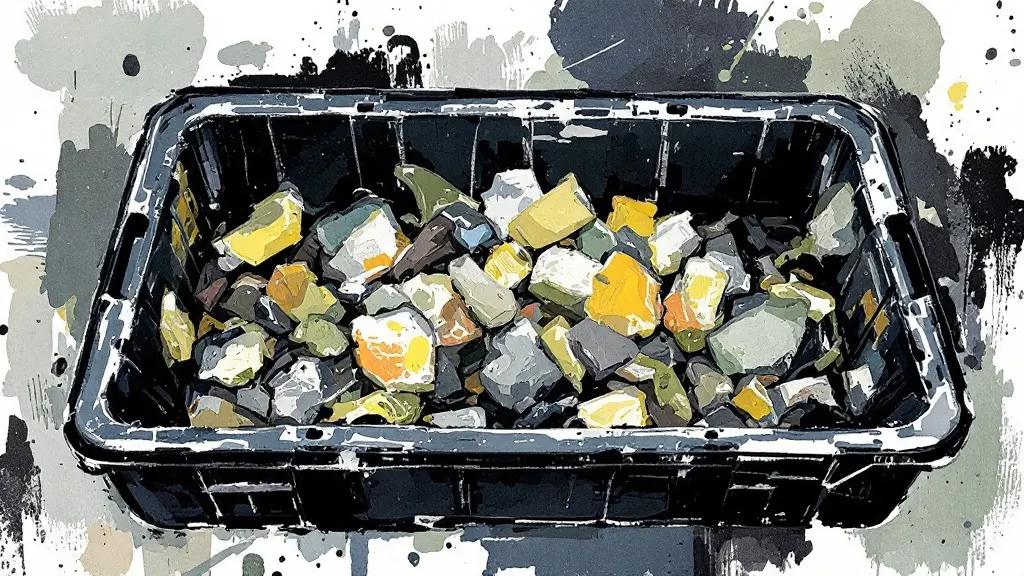
Black plastic trays might carry a recycling symbol, but most kerbside systems can't process them. Here's why the colour matters, and what to do with them instead.
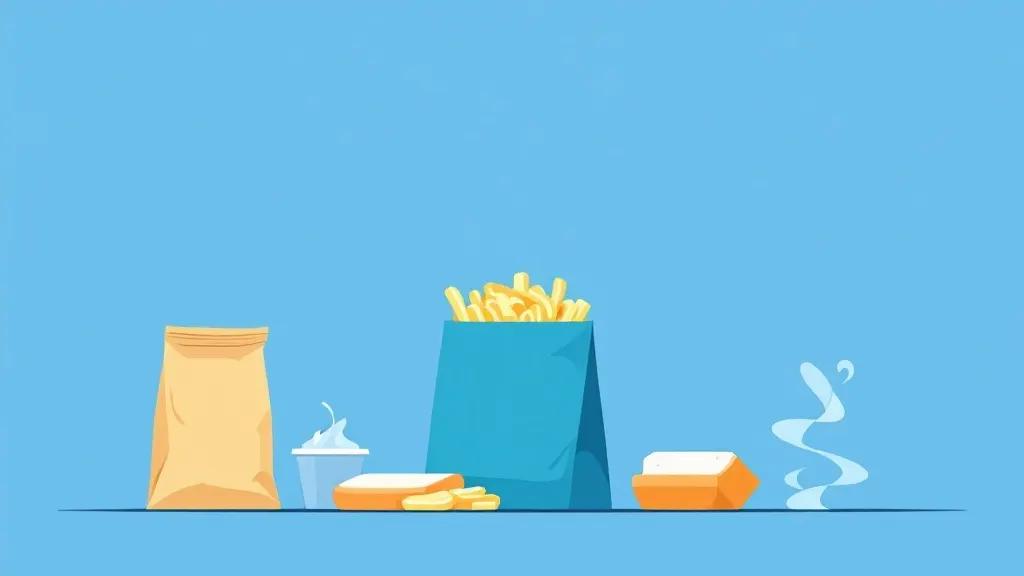
Bread bags, chip packets and cling film all seem similar, but they're not treated the same way when it comes to recycling. Here's what belongs in the soft plastics scheme, what goes in your red bin, and how to sort it right.
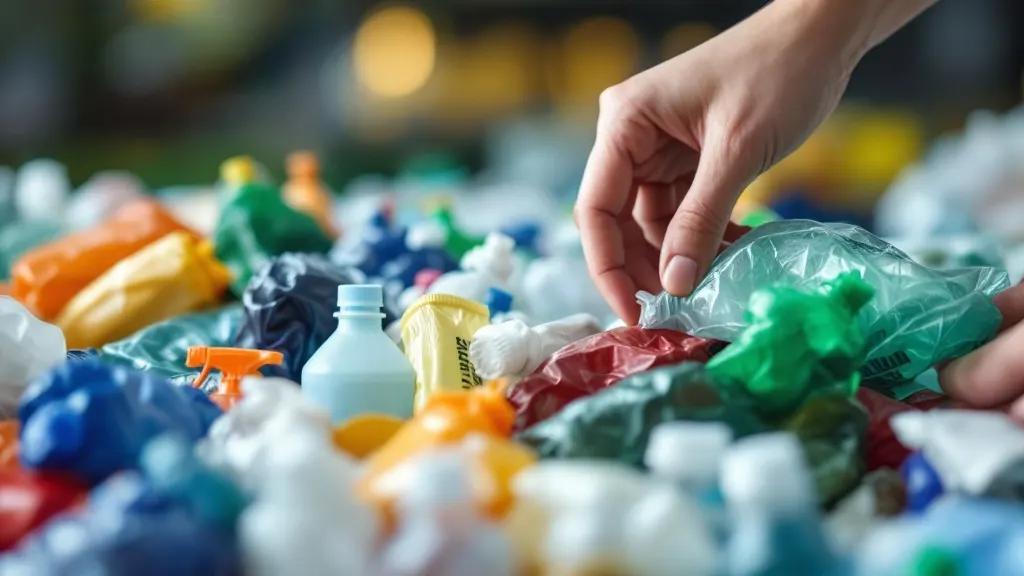
Soft plastics can't go in your kerbside yellow bin, but they don't have to end up in landfill. Here's how the New Zealand soft plastics scheme works and where to find drop-off bins near you.
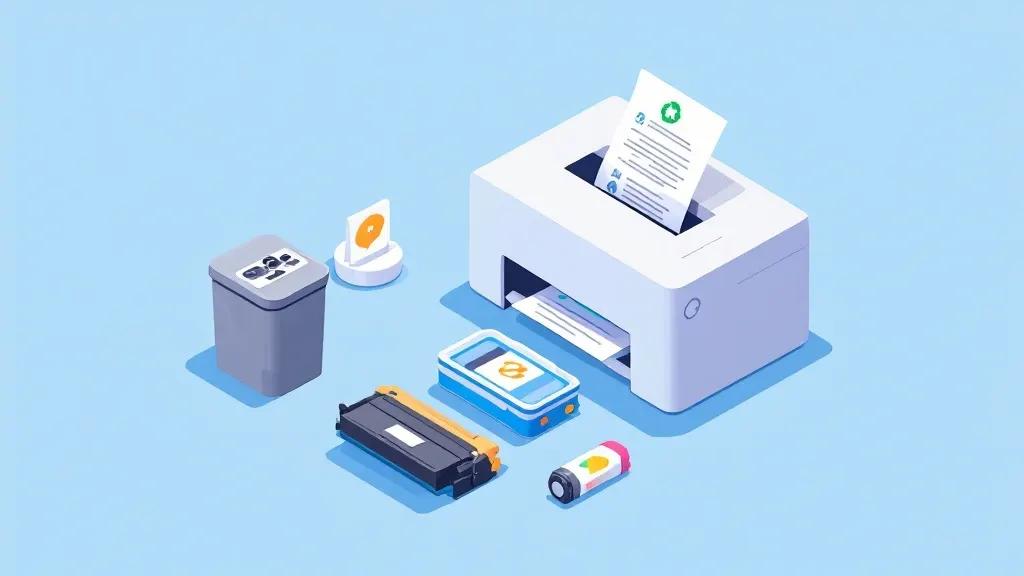
Empty printer cartridges and toner shouldn't go in your kerbside bins — they can leak ink, contain plastics and metals, and are easily recycled through free take-back schemes. Here's how to dispose of them responsibly in New Zealand.
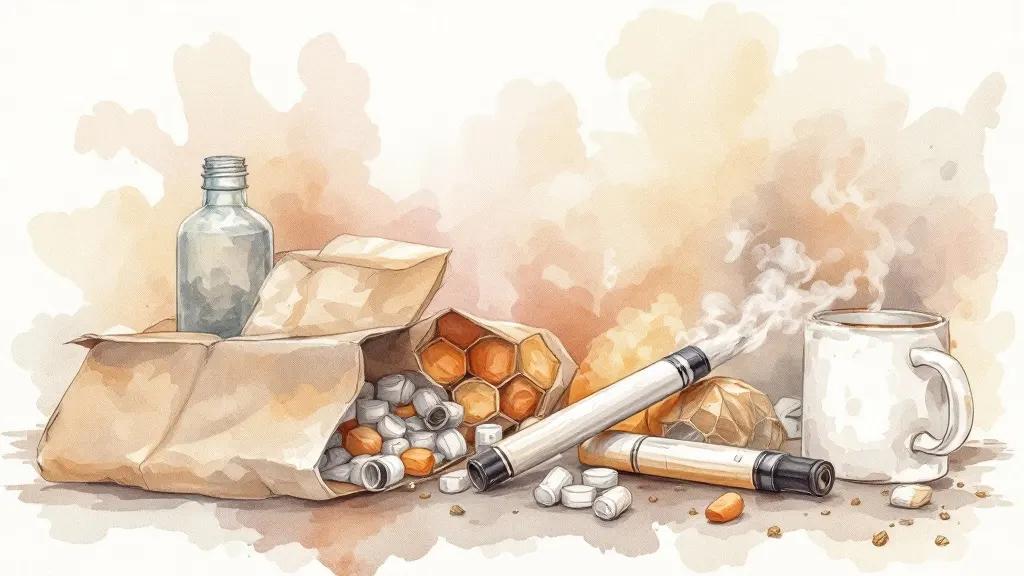
Disposable vapes are a tricky mix of lithium battery, plastic and leftover nicotine — and they must never go in any kerbside bin. Here's how to dispose of them safely in New Zealand.

Old gas bottles and LPG canisters can't go in your kerbside bins — they're pressurised and dangerous. Here's how to swap, refill, recycle or safely dispose of them the right way across New Zealand.
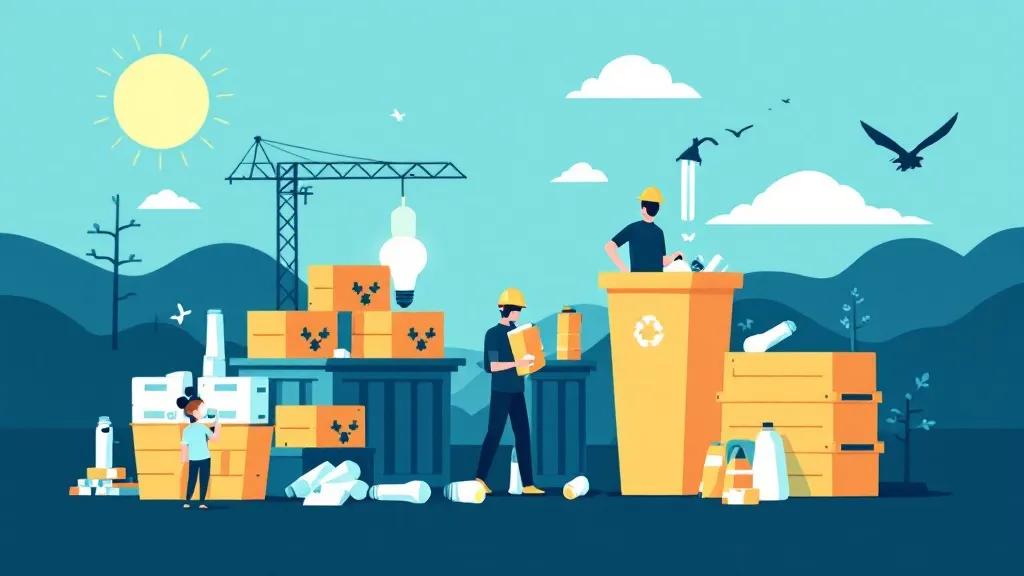
Not all light bulbs belong in the same bin — and some contain mercury you definitely don't want in landfill. Here's how to safely dispose of old bulbs and fluorescent tubes around New Zealand.
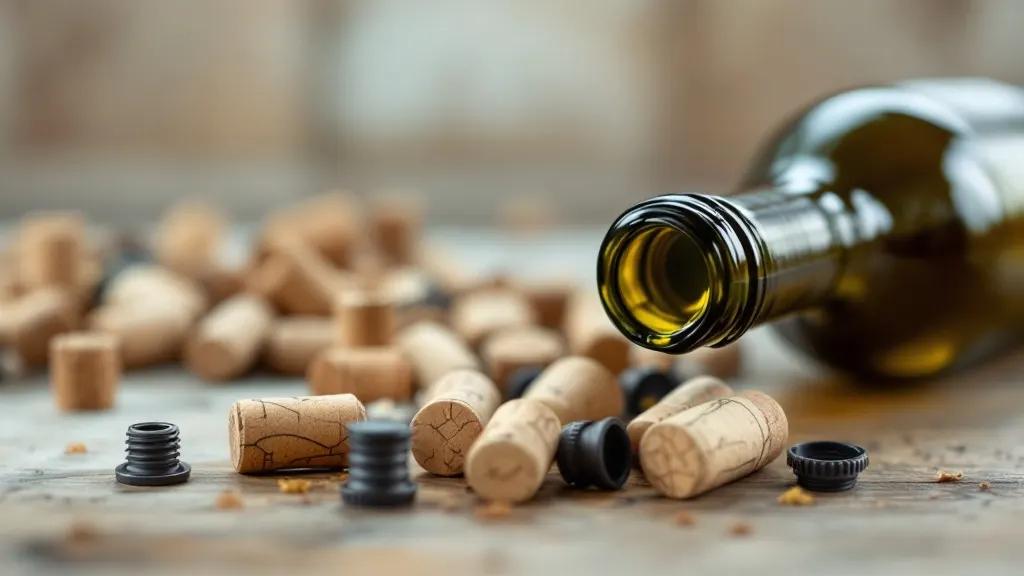
Wine bottles, corks and screw caps each need different handling at recycling time. Here's how to sort them properly so the glass actually gets recycled and the smaller bits don't end up contaminating your yellow bin.
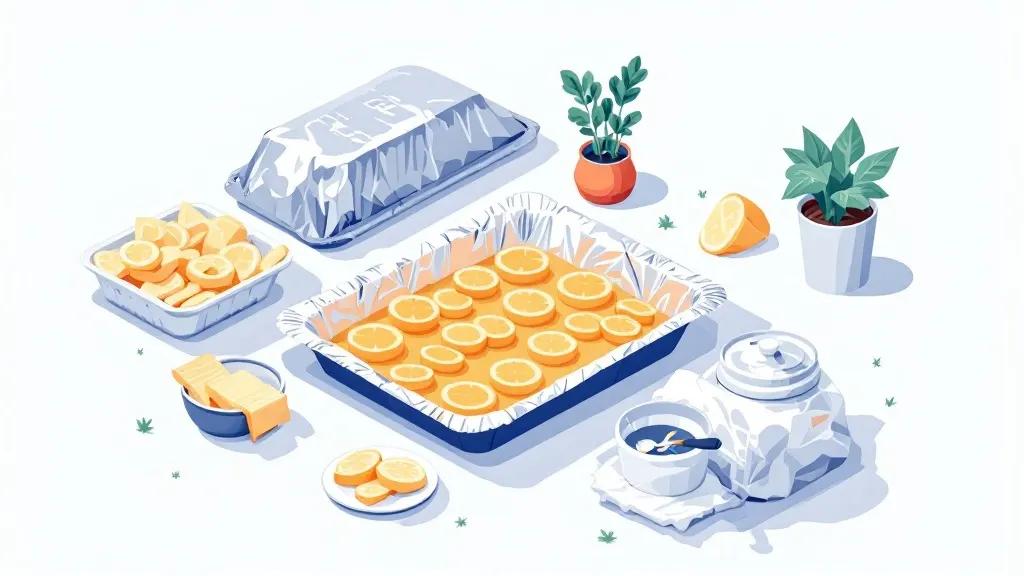
Aluminium foil and foil trays are genuinely recyclable, but only if they're clean and balled up properly. Here's how to prep them for your yellow bin and what to do when they're too greasy to save.
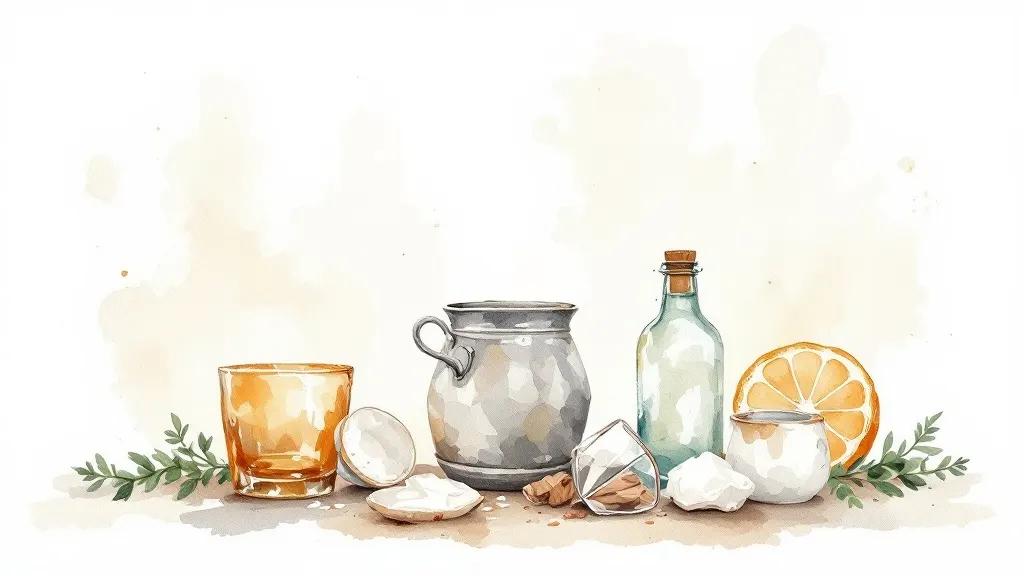
Broken glass and ceramics often end up in the wrong bin, causing injuries and contaminating recycling. Here's how to wrap, sort and dispose of them safely in New Zealand.

Polystyrene is one of the trickiest materials to deal with, and it almost never belongs in your kerbside recycling. Here's how to tell the two main types apart and find the right disposal route in New Zealand.
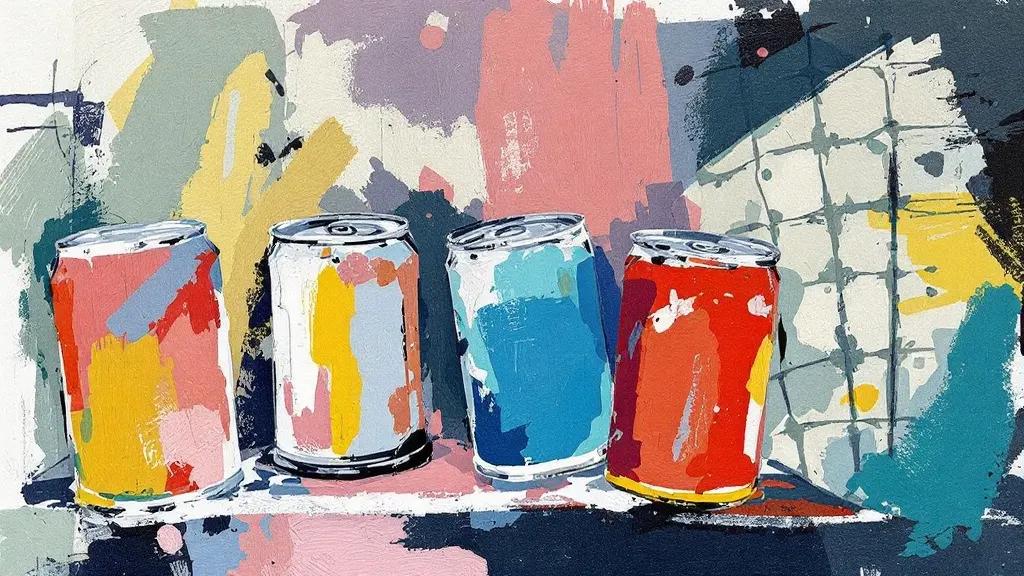
Tin and steel cans are among the most recyclable items in your yellow bin — but only if they're prepared properly. Here's how clean they really need to be and why a quick rinse makes all the difference.
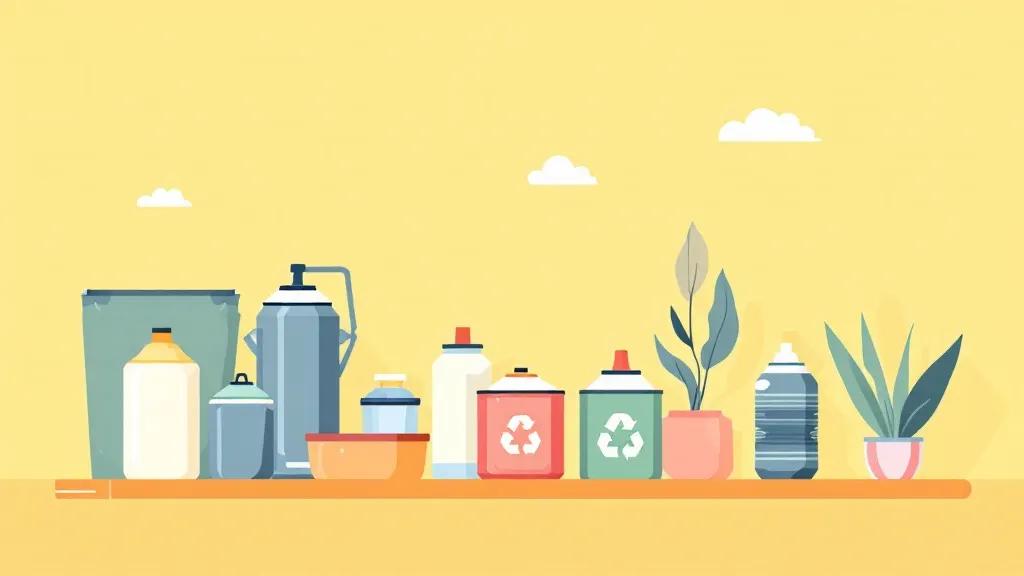
Empty aerosol cans are often recyclable in your kerbside bin, but only when fully used up. Learn how to tell when a can is truly empty, what to do with the lid, and how to handle ones that still have product or pressure left.
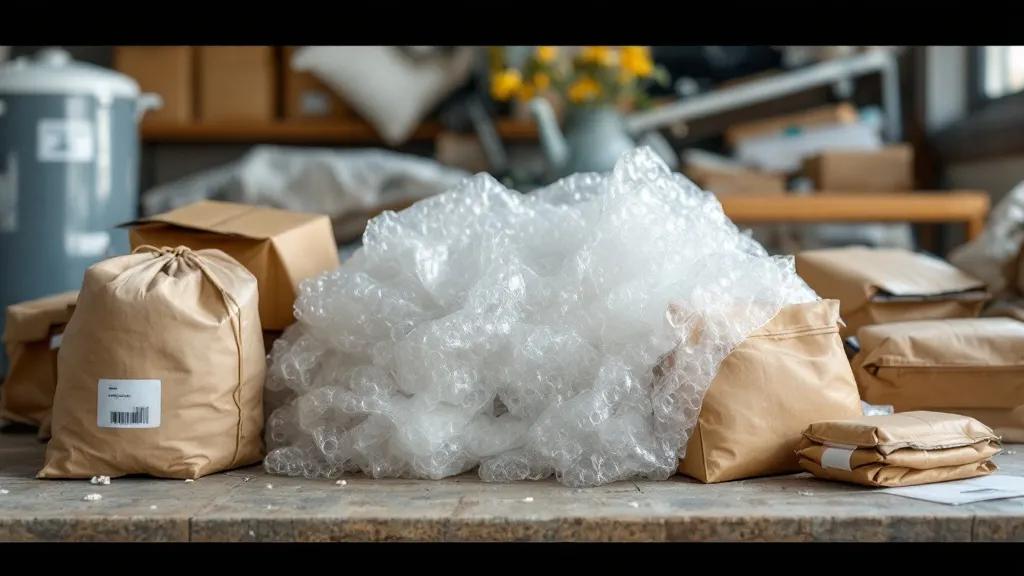
Bubble wrap and courier satchels are soft plastics that don't belong in your yellow kerbside bin. Here's how to recycle them properly through New Zealand's soft plastics scheme, plus smart ways to reuse and reduce them.

Tetra Pak and liquid paperboard cartons are tricky because they combine paper, plastic and aluminium. Here's how to deal with them at kerbside and beyond, and why most New Zealand councils still send them to landfill.
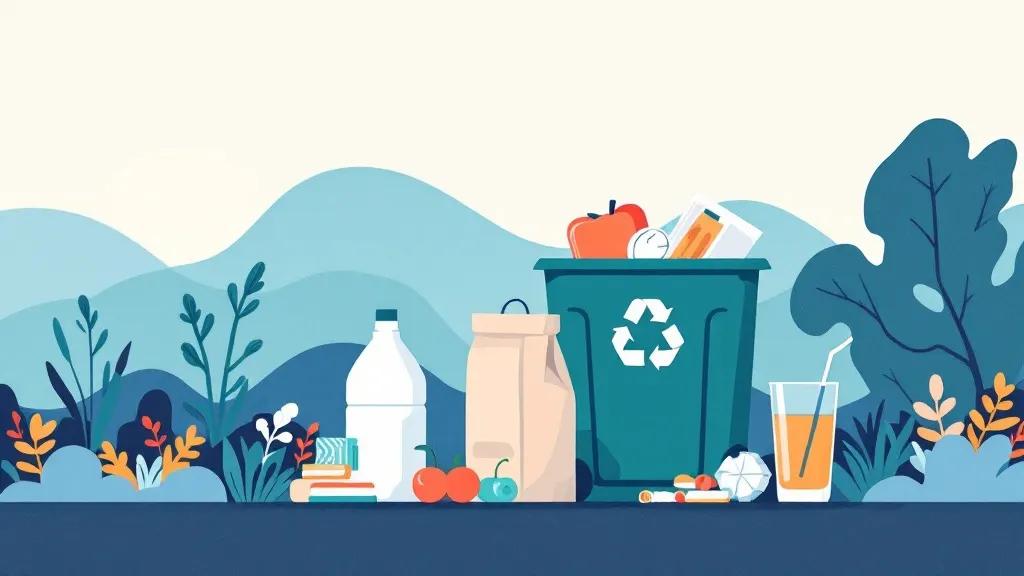
Tossing the wrong item in your yellow bin can do more harm than good — causing contamination, broken equipment, and even sending whole truckloads to landfill. Here's what really happens and how to recycle right.

Wondering if you need to peel every label off your bottles and jars before tossing them in the yellow bin? The good news is that for most New Zealand households, the answer is no. Here's what actually matters.
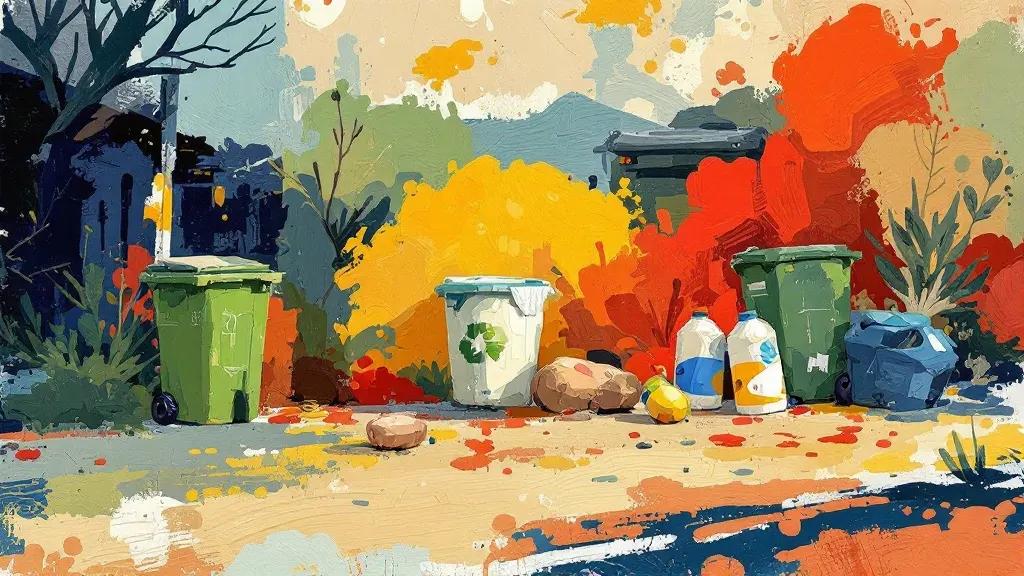
Aotearoa is rolling out one national set of rules for what goes in your kerbside bins. Here's what the standardised yellow, red and green bins mean for your household, and the simple changes that make recycling easier.
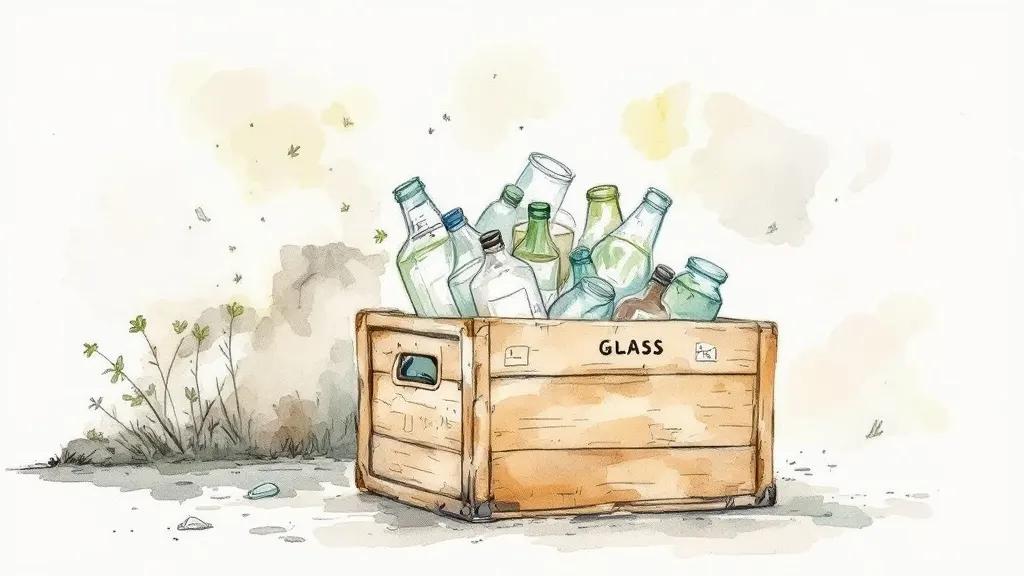
Many New Zealand councils now ask for glass bottles and jars in a separate crate rather than the yellow bin. Here's why that small step makes a big difference — and how to do it right.
Those small bottle caps and jar lids seem harmless, but they cause real headaches at recycling plants. Learn why size, material mixing, and trapped air make them a problem — and what to do with them instead.
Compostable and bioplastic packaging sounds eco-friendly, but it doesn't belong in your yellow recycling bin. Here's what these materials really are, why they cause problems, and how to dispose of them properly in New Zealand.
Complete the recycling loop by buying products made with recycled materials. This creates demand and drives sustainable practices in Aotearoa, New Zealand.
Recycle your soft plastics at participating supermarkets! Use the "scrunch test" to identify recyclable items like bread bags and frozen food packaging and drop them off at designated bins.
Wish-cycling, or tossing items into recycling hoping they're accepted, contaminates the process. Check your local recycling guidelines to be certain and avoid clogging the system.
"Biodegradable" doesn't always mean home compostable! Learn the difference between biodegradable and compostable plastics, including PLA, for responsible disposal in New Zealand.
Make your own eco-friendly cleaning products with vinegar and baking soda! Reduce chemical waste and create a healthier home with these simple, effective, and natural cleaning solutions.
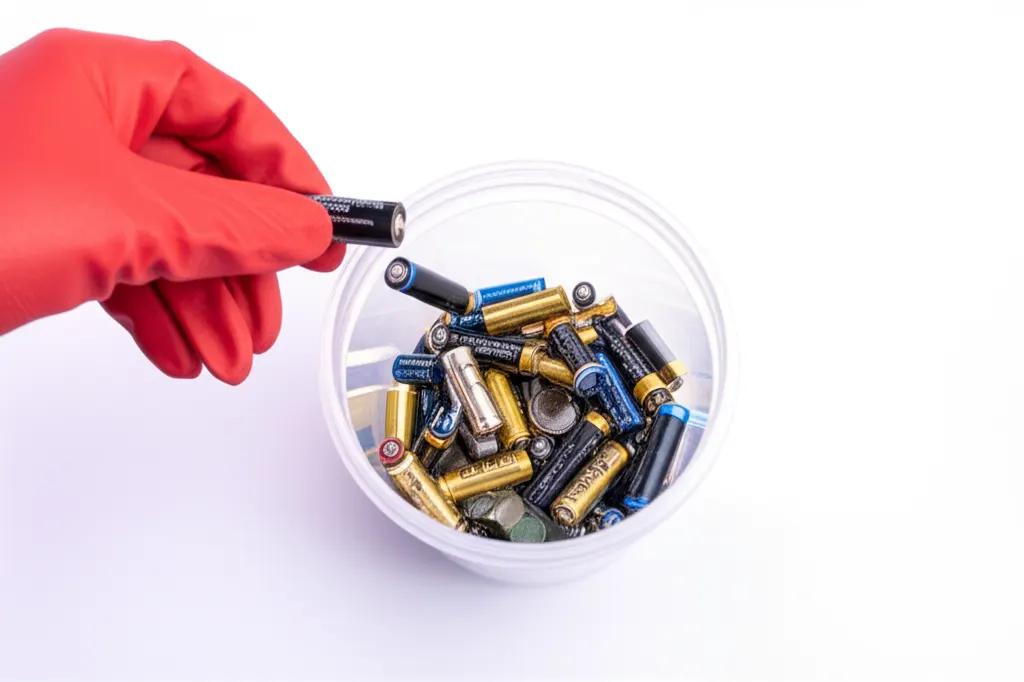
Batteries = hazardous waste! Recycle them properly at collection points or retailer programs. Prevent pollution and fire risks by storing them safely. Let's protect NZ!
Single-use plastics pollute our oceans, harming marine life and ecosystems. Reduce your impact by choosing reusable alternatives and recycling properly.

Learn about the Waste Hierarchy – Refuse, Reduce, Reuse, Recycle, Rot – and how to prioritize sustainable waste practices. From refusing single-use plastics to composting, every step helps create a cleaner New Zealand.
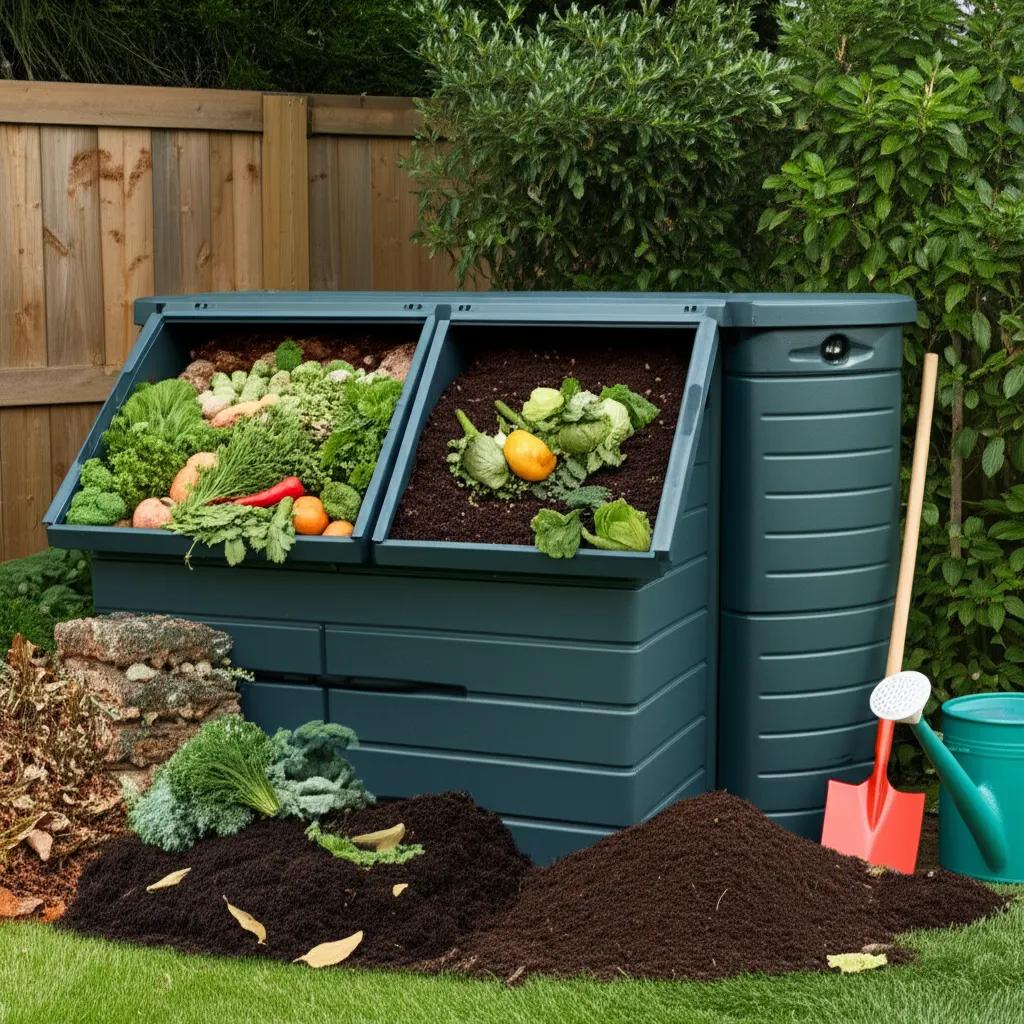
Composting at home reduces waste & enriches your garden soil! Mix 'greens' & 'browns' in a bin, turn regularly, and create nutrient-rich compost. Check your local council for compost programs.
Create a zero-waste bathroom with simple swaps like shampoo bars, bamboo toothbrushes, and safety razors. Reduce plastic waste and embrace a more sustainable lifestyle.
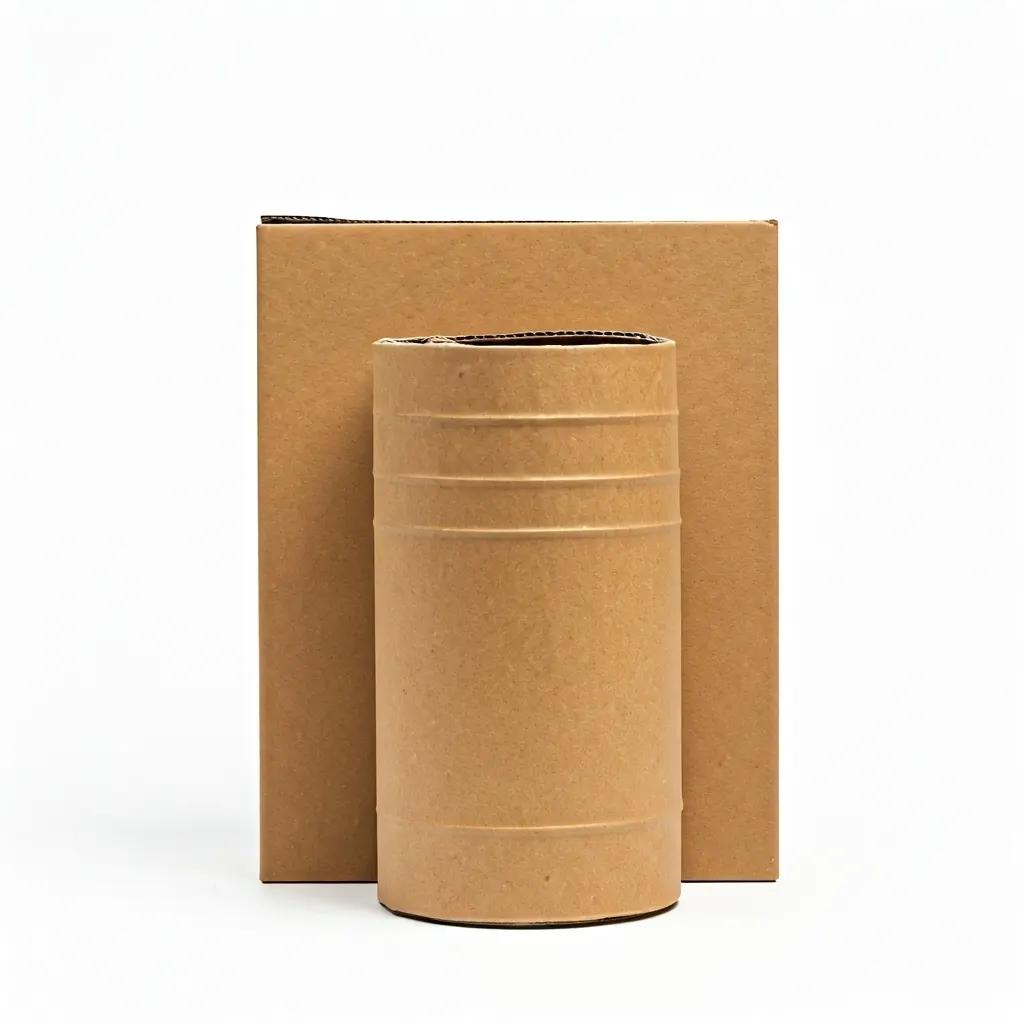
Keep cardboard clean and dry for proper recycling. Greasy pizza boxes and wet cardboard can contaminate entire batches, making them unusable. Ensure your cardboard is recycling-ready by composting food scraps and keeping your recycling bin clean.
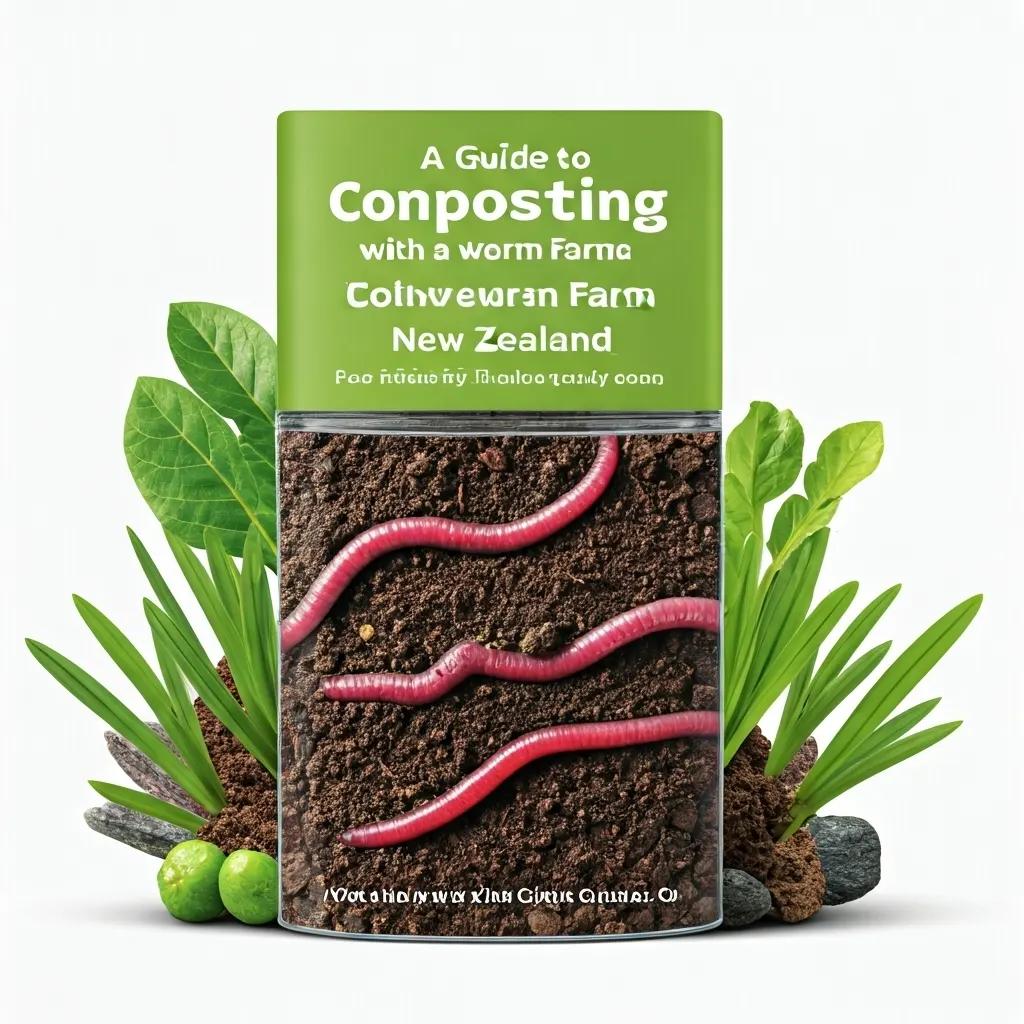
Worm farming is an easy way to compost at home and create nutrient-rich plant food and liquid fertiliser. Learn how to set up and maintain a worm farm to reduce household waste and give your garden a boost.
E-waste contains valuable, recyclable materials and harmful substances. Dispose of electronics safely at designated collection points to protect our environment and resources.
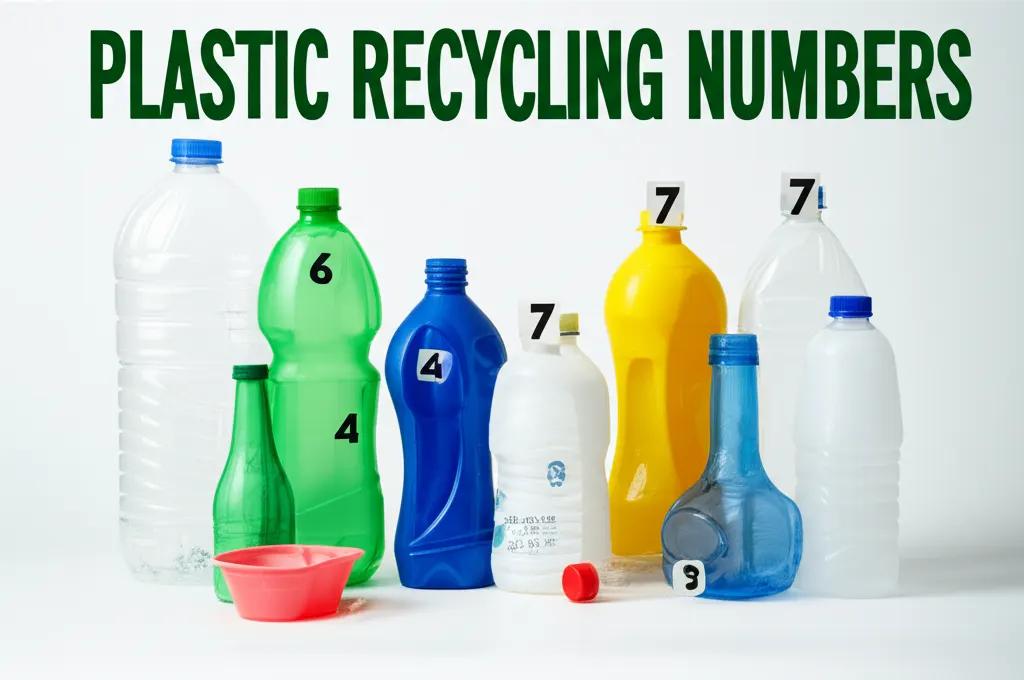
Decoding plastic numbers helps you recycle right! #1, #2, and sometimes #5 are commonly recycled in NZ. Check local guidelines to boost your recycling efforts!
Track your rubbish for a week to identify areas for improvement. A home waste audit helps pinpoint reduction opportunities and minimize your environmental impact.
Rinsing your recyclables helps prevent contamination and creates higher quality recycled materials. A quick rinse is all it takes to make a big difference for New Zealand's recycling efforts.
Transform trash into treasure with creative upcycling! Reduce waste and express your creativity by giving old items new life through DIY projects.
"Flushable" wipes often aren't! They create fatbergs, block sewers, and damage our environment. Bin wipes, not flush, and choose sustainable alternatives.

Dispose of expired medicines safely through pharmacy take-back programs. Protect our environment and health by keeping unwanted medications out of landfills and waterways. Find a participating pharmacy near you and make a difference today.
New Zealand is standardizing kerbside recycling nationwide for greater consistency and higher participation. The national waste levy encourages diverting waste from landfills and supports sustainable practices.

Shop smart and reduce waste! Utilize bulk bins, reusable produce bags, and choose minimally packaged items for a lighter environmental footprint on your next grocery run.
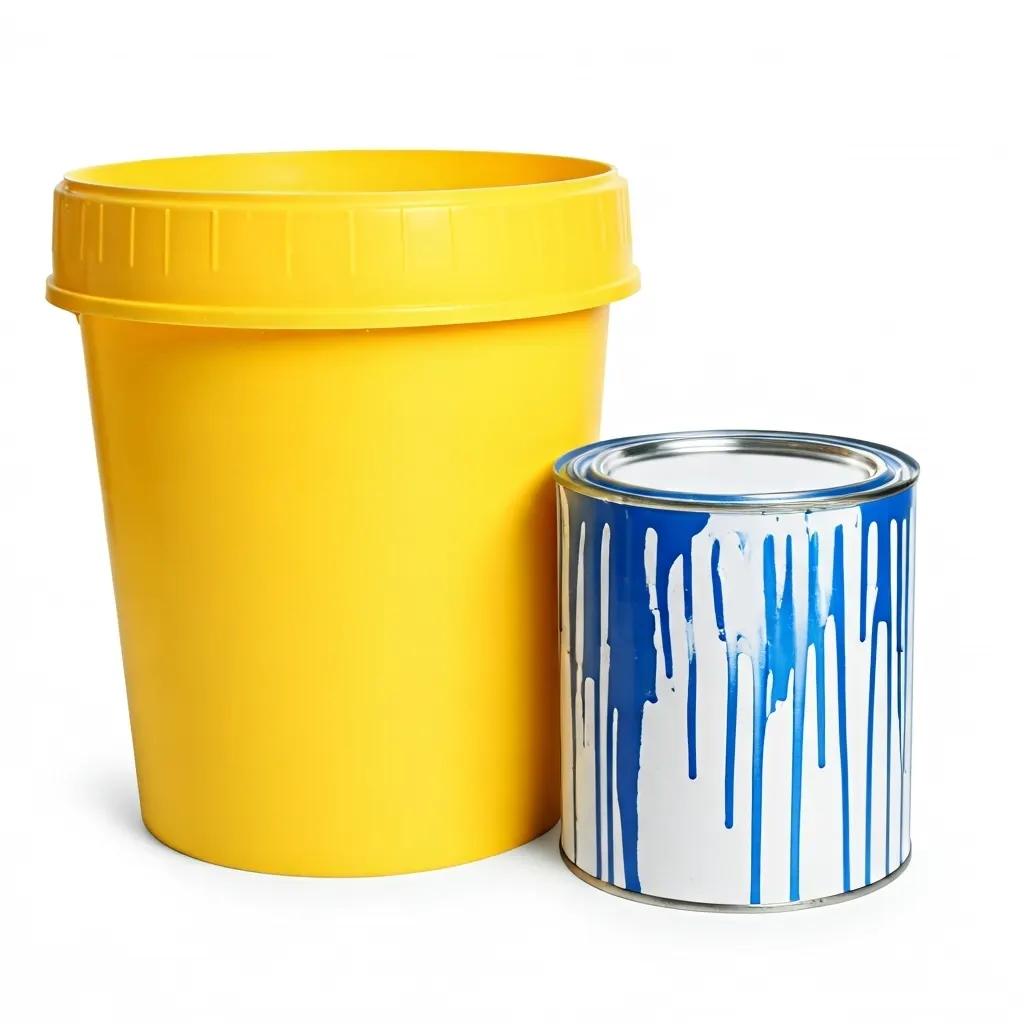
Dispose of old paint responsibly through Resene PaintWise, which recycles or safely manages unwanted paint in New Zealand. Empty, dry paint cans can usually be kerbside recycled.
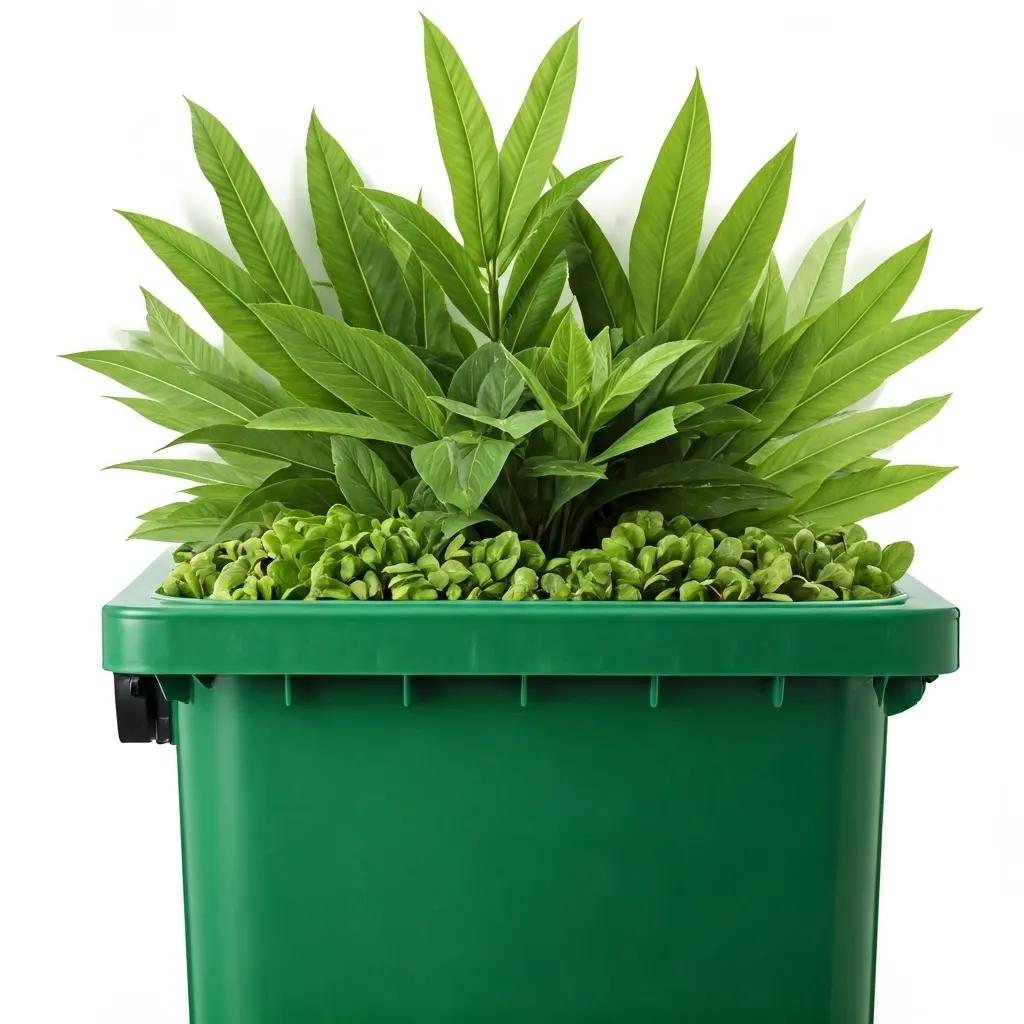
Your green waste gets a second life! It's composted and transformed into valuable resources like mulch, enriching our soil and reducing landfill waste in New Zealand.
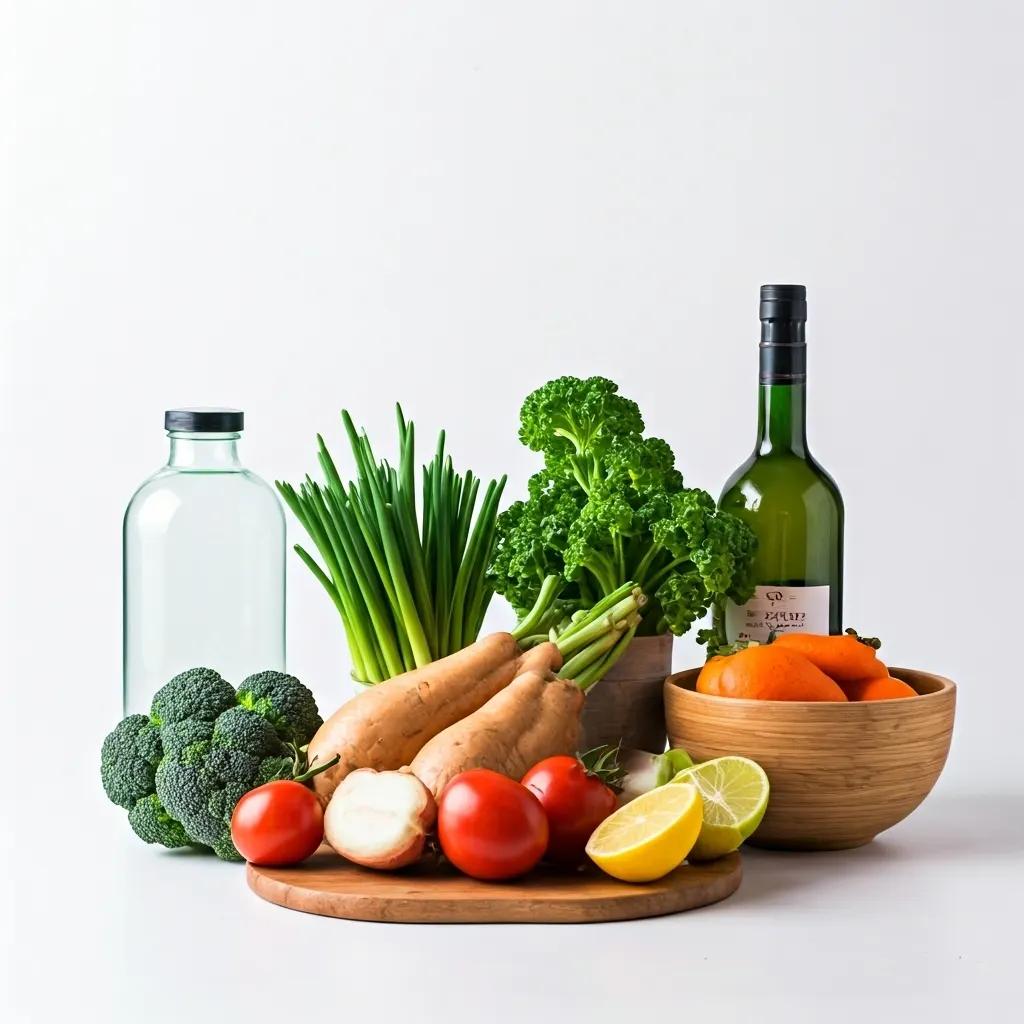
Reduce food waste and save money with our simple tips. Plan your meals, store leftovers properly, and make the most of your freezer. Easy and effective ways to minimize food waste at home in NZ.
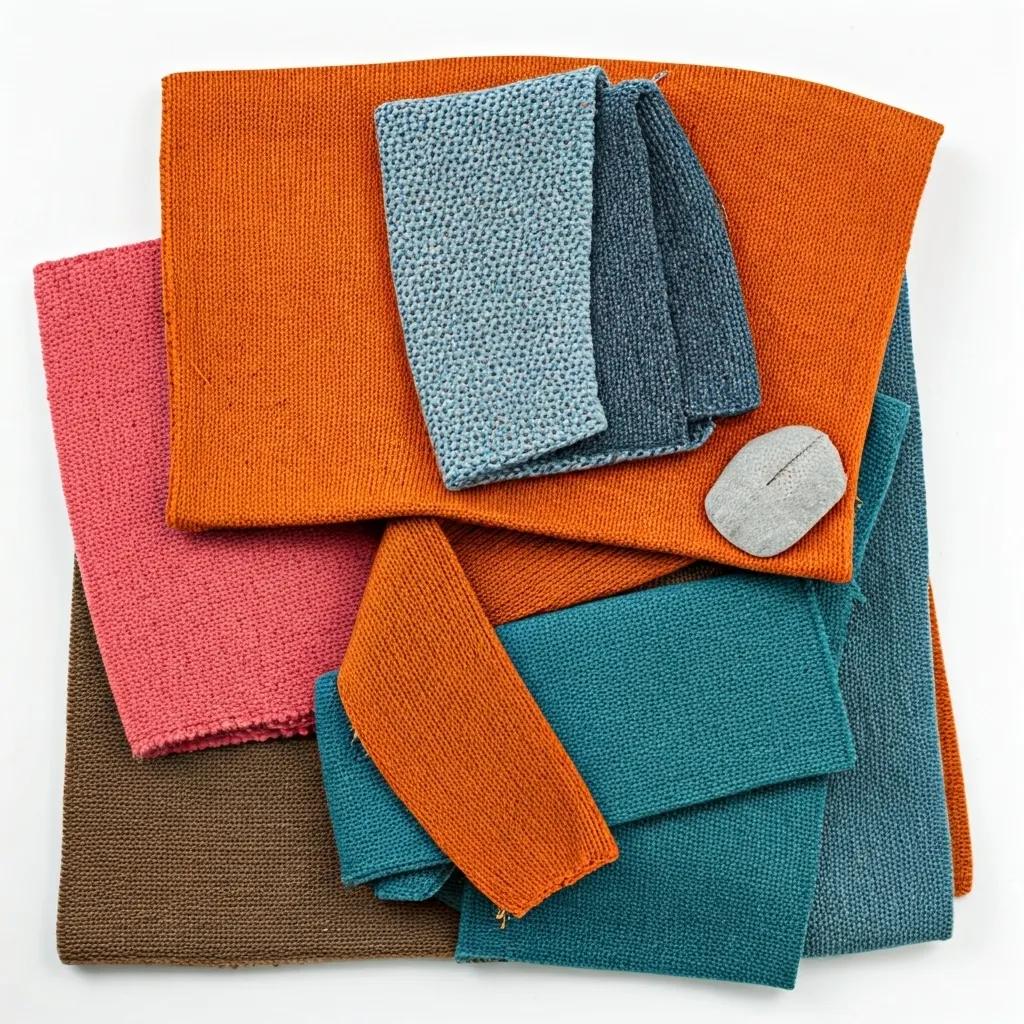
Give your old clothes a new life through textile recycling, clothing donations, and creative upcycling. Reduce waste and contribute to a more sustainable Aotearoa.
Recycling aluminum cans is a simple yet powerful way to contribute to a circular economy. From bauxite ore to recycled can, discover the lifecycle of aluminum and its impact on sustainability in New Zealand.
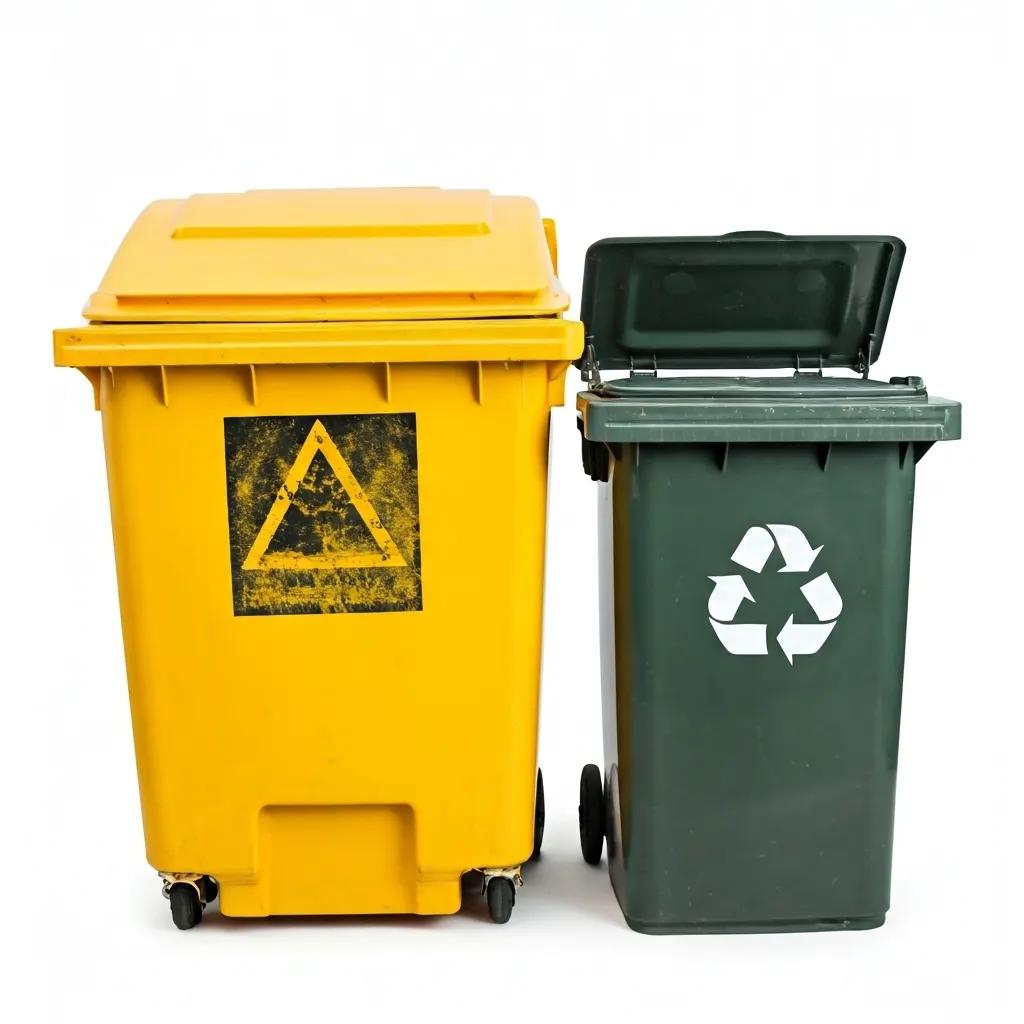
Improperly disposing of hazardous waste like batteries and chemicals can harm our environment and health. Utilize council drop-off locations for safe disposal and explore eco-friendly alternatives.
Don't pour cooking oil down the drain! It causes blockages and harms the environment. Collect and dispose of it correctly to protect your pipes and our planet.
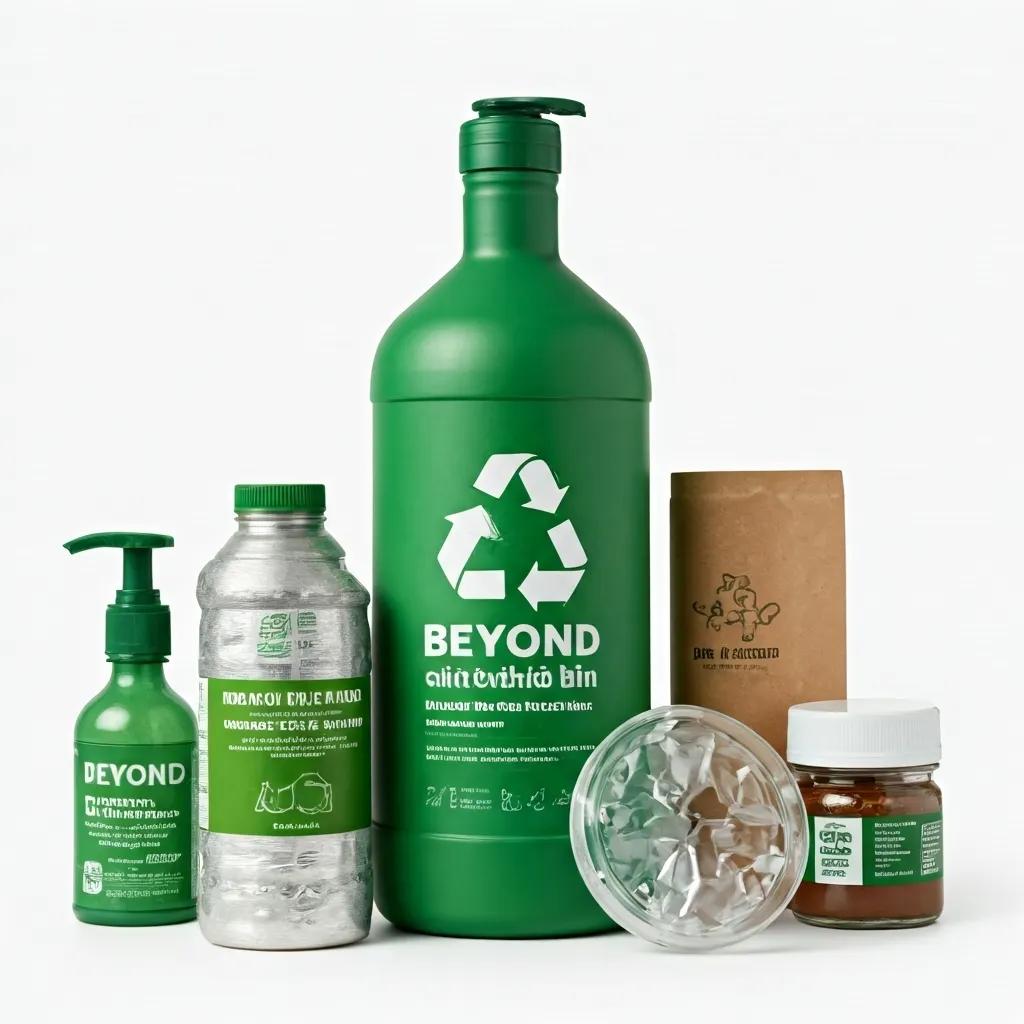
Discover how specialty recycling programs and initiatives like TerraCycle give hard-to-recycle items a second life, reducing landfill waste and promoting resource conservation.
Those convenient coffee cups aren't as recyclable as you think! Their plastic lining prevents them from going into paper recycling bins. Opt for a reusable cup instead.
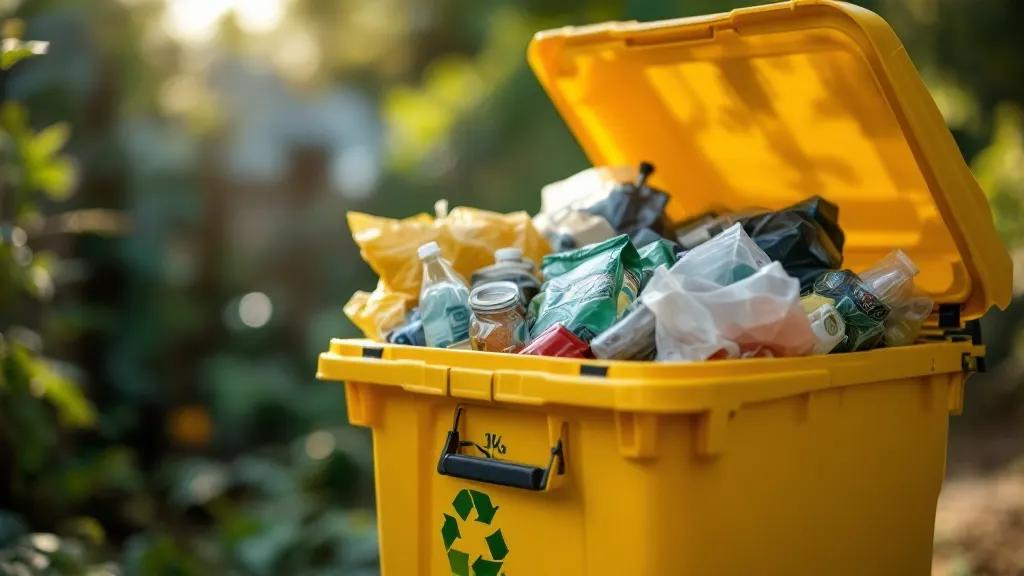
New Zealand's kerbside recycling rules are now standardised, so the same materials go in the yellow bin nationwide. Knowing exactly what belongs there keeps recycling clean and out of landfill.
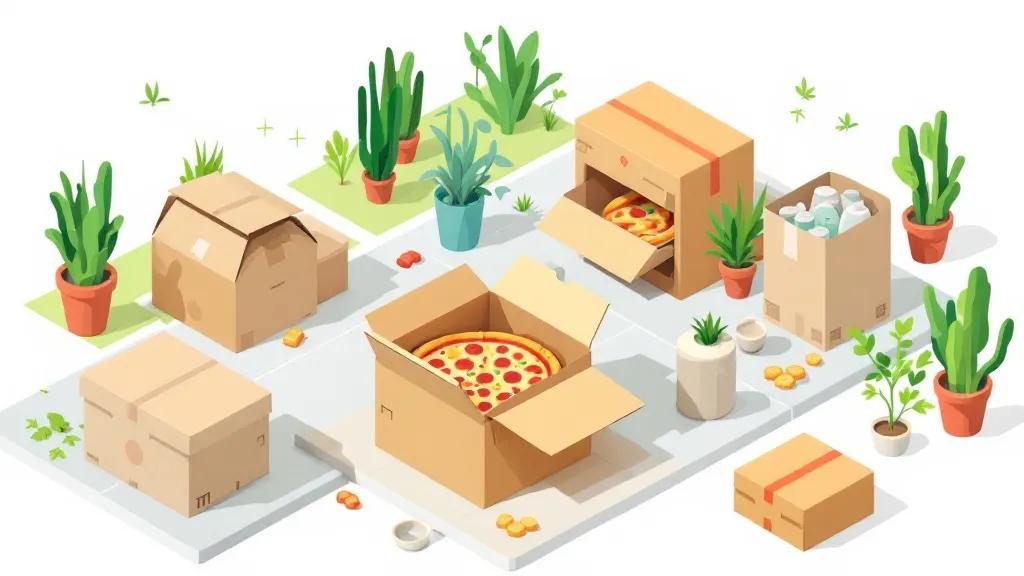
Pizza boxes seem like obvious cardboard recycling, but grease and food residue can turn them into a contaminant. Here's how to tell which parts of the box belong in your yellow bin and which need to go elsewhere.