WasteMate is an independent service and is not affiliated with any council. Always confirm local rules with your council. Report an error.
What Happens If You Put the Wrong Thing in Your Recycling Bin
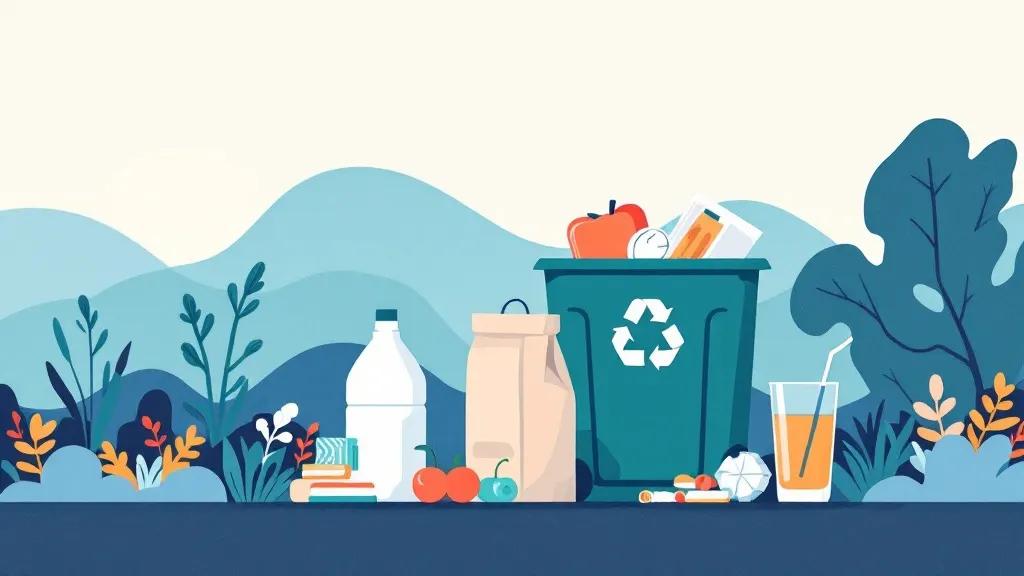
Most of us pop something in the yellow recycling bin hoping it'll be reborn as something useful. But when the wrong thing goes in, the consequences ripple right down the line — and they're often the opposite of what we intend. Understanding what actually happens when you get it wrong is one of the best ways to become a better recycler, because it shows why those bin rules genuinely matter rather than feeling like fussy red tape.
The biggest problem is contamination. When non-recyclables like food-soaked containers, soft plastics, nappies, or general rubbish end up in the yellow bin, they can spoil the clean materials around them. A greasy pizza box or a half-full milk bottle can soil paper and cardboard, turning otherwise good recycling into waste. If a load arriving at the sorting facility (known as a Materials Recovery Facility, or MRF) is too contaminated, the entire truckload can be rejected and sent to landfill — meaning everyone's careful sorting on that route goes to waste.
Some wrong items don't just contaminate, they actively damage the system. Soft plastics like bread bags and cling film wrap around the spinning machinery at the MRF, forcing staff to stop the line and cut them out by hand. Items like garden hoses, cords, and chains are notorious 'tanglers'. Broken glass, batteries, and gas canisters are genuinely dangerous — lithium batteries in particular can spark fires in trucks and facilities, putting workers at risk. These are not rare freak events; battery fires have become a serious problem across New Zealand waste facilities.
There's also the human cost. MRFs rely on people standing at conveyor belts pulling out the wrong items by hand. Every nappy, syringe, or rotting food scrap that goes in the yellow bin is something a real person may have to handle. Keeping these out isn't just about efficiency — it's about basic respect for the workers who make recycling possible.
The good news is that getting it right is simple once you know the basics. Under New Zealand's standardised kerbside rules, the yellow bin generally takes clean paper and cardboard, glass bottles and jars, aluminium and steel cans, and plastic bottles and containers marked 1, 2, and 5. Give containers a quick rinse, take all lids and caps off and put them in general waste, and never bag your recycling — loose is best. Soft plastics go to the dedicated soft plastic recycling bins at supermarkets, not your kerbside bin. Batteries, e-waste, and hazardous items have their own product stewardship and drop-off schemes.
When in doubt, leave it out. Putting a questionable item in the red general-waste bin is far better than risking contaminating a whole load of good recycling — a habit sometimes called 'wishcycling' that does more harm than good. Rules can vary slightly between districts, so check your local council website for the exact list that applies where you live. A few seconds of thought at the bin saves a lot of waste down the track.