WasteMate is an independent service and is not affiliated with any council. Always confirm local rules with your council. Report an error.
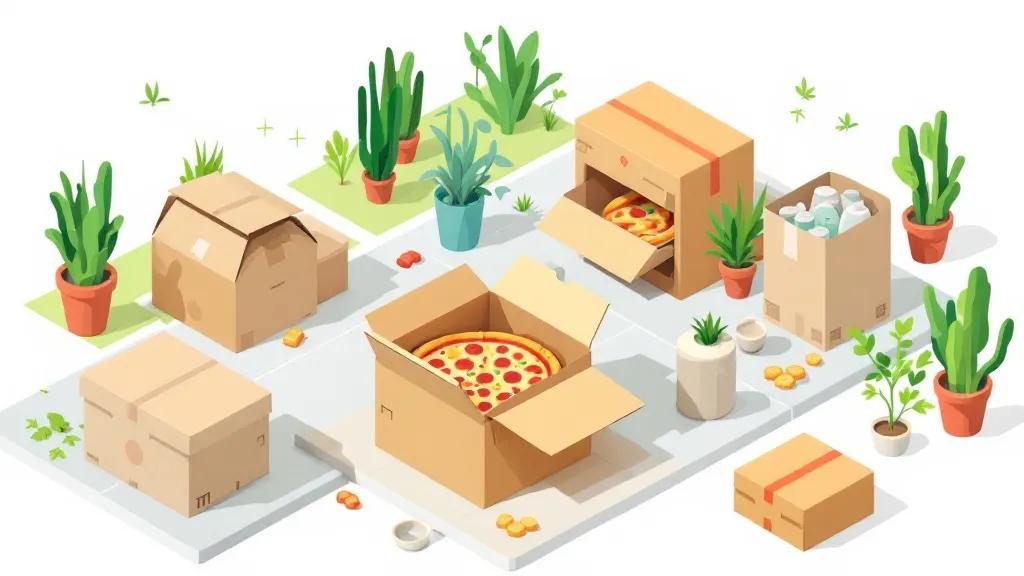
Why Pizza Boxes Aren't Always Recyclable
It's one of the most common recycling mix-ups in New Zealand kitchens. A pizza box is cardboard, and cardboard goes in the yellow recycling bin, so the whole thing should be fine, right? Unfortunately, it's not that simple. The problem isn't the cardboard itself — it's what ends up soaked into it. Grease, oil, melted cheese and food scraps can render parts of a pizza box unrecyclable, and when contaminated cardboard slips through, it can spoil other materials in the recycling stream too.
Paper and cardboard are recycled by being pulped in water, where the fibres are separated and reformed into new product. Oil and grease don't mix with water, so they interfere with this process and weaken the new paper. A lid that's still clean and dry is genuinely recyclable, but the greasy base — the part the pizza actually sat on — usually isn't. Cheese, sauce smears and leftover crusts only make the problem worse, attracting pests and causing contamination at the sorting facility.
The good news is you don't have to throw the whole box away. Tear or cut the box in two. Any clean, grease-free sections — typically the lid and the sides — can go in your kerbside recycling, flattened to save space. The oily, stained base should go in your red general waste bin, or better yet, if it's only lightly soiled and free of plastic liners, into your green food-scraps or home compost bin, since uncoated cardboard breaks down well in compost.
Watch out for a few extras that often come with a pizza. The little plastic tripod 'table' in the centre, sauce sachets, and any plastic wrapping are not recyclable in your yellow bin and belong in general waste. If the box has a shiny plastic or wax coating, it's also better off in the red bin, as those coatings disrupt the pulping process.
Rules do vary between councils, and some areas are stricter than others about food contamination on cardboard. If you're unsure how clean is clean enough, check your local council's website or recycling guide — when in doubt, it's safer to keep questionable material out of the yellow bin so it doesn't contaminate a whole load.
The simple takeaway: separate the clean cardboard from the greasy. Recycle the parts that are dry and free of food, compost or bin the oily base, and remove any plastic bits before they reach your recycling. A few seconds of sorting at the bench keeps good cardboard in the loop and keeps contamination out of New Zealand's recycling system.
Where to take it in New Zealand
Find sites and drop-off points near you that handle the items covered in this guide.
Find places that accept used cooking oil