WasteMate is an independent service and is not affiliated with any council. Always confirm local rules with your council. Report an error.
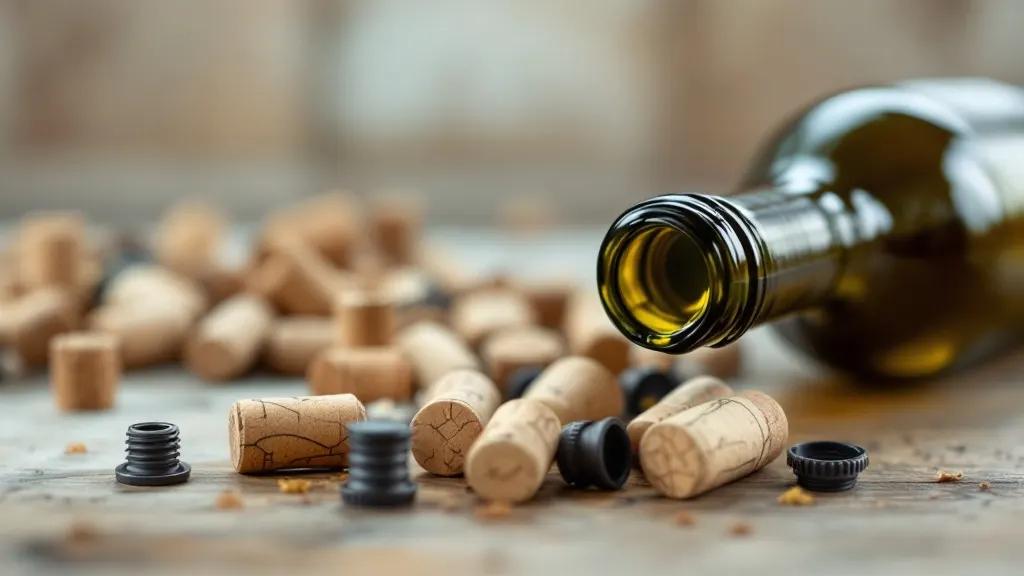
How to Recycle Wine Bottles, Corks and Screw Caps
After a dinner party or a quiet evening, that empty wine bottle seems like an easy recycling win — but the bottle, the cork and the little metal screw cap each travel very different paths once they leave your hands. Getting the sorting right matters because glass is one of the few materials that can be recycled endlessly without losing quality, while contamination from the wrong bits can lower the value of a whole load or send it to landfill.
The glass bottle itself is the straightforward part. Empty it, give it a quick rinse to remove wine residue, and pop it into your kerbside recycling. In many parts of New Zealand glass is collected in a separate crate or bin rather than mixed in with paper and plastic, so check whether your area uses a split system. Leave the paper label on — recycling facilities deal with labels during processing, so there's no need to soak them off. Don't bother breaking the bottle; whole bottles are easier and safer to handle and sort.
Screw caps are made of aluminium, which is genuinely recyclable, but here's the catch: they're usually too small to be captured by the sorting machinery at recycling plants, where tiny items fall through the gaps or get mistaken for contamination. A neat trick is to collect your aluminium screw caps in a larger steel or aluminium can, then crimp the top closed once it's reasonably full. That bundles the small caps into a piece big enough to be sorted, and you can place the sealed can in your yellow bin. Loose caps thrown in on their own will almost certainly be lost to landfill.
Corks are where people most often get it wrong. Natural cork is a plant material and does not belong in your glass or kerbside recycling — it can't be processed with glass and will simply be screened out as rubbish. The good news is that natural cork is compostable, so if you have a home compost or worm farm, chop it up and add it there, where it'll break down over time. Plastic 'corks', by contrast, are not compostable and aren't accepted in kerbside recycling either, so they sadly go in the red general-waste bin.
If you'd rather keep corks out of the bin entirely, look for cork take-back and craft-collection initiatives — some wineries, garden centres and community groups gather natural corks for reuse in crafts, garden mulch and insulation projects. It's always worth a quick search or a call to your local community recycling centre to see what's running near you, as these schemes come and go.
The simple takeaway: rinse and recycle the glass bottle, collect screw caps inside a can before recycling, compost natural corks and bin plastic ones. Because collection systems differ from district to district — especially whether glass is kerbside or drop-off only — it always pays to check your local council's guidelines so your good intentions actually translate into recycled material.
Where to take it in New Zealand
Find sites and drop-off points near you that handle the items covered in this guide.
Find glass recycling drop-off points