WasteMate is an independent service and is not affiliated with any council. Always confirm local rules with your council. Report an error.
Where to Drop Off Soft Plastics in New Zealand
If you've ever scrunched up a bread bag or a courier satchel and wondered where it should go, you're not alone. Soft plastics — the flexible, scrunchable kind — are one of the most confusing waste streams in New Zealand. They can't go in your kerbside yellow recycling bin because they tangle in sorting machinery and contaminate other recyclables. The good news is that thanks to the Soft Plastic Recycling Scheme, there's now a genuine drop-off network across much of the country where these plastics can be collected and turned into new products like fence posts, garden edging and cable covers.
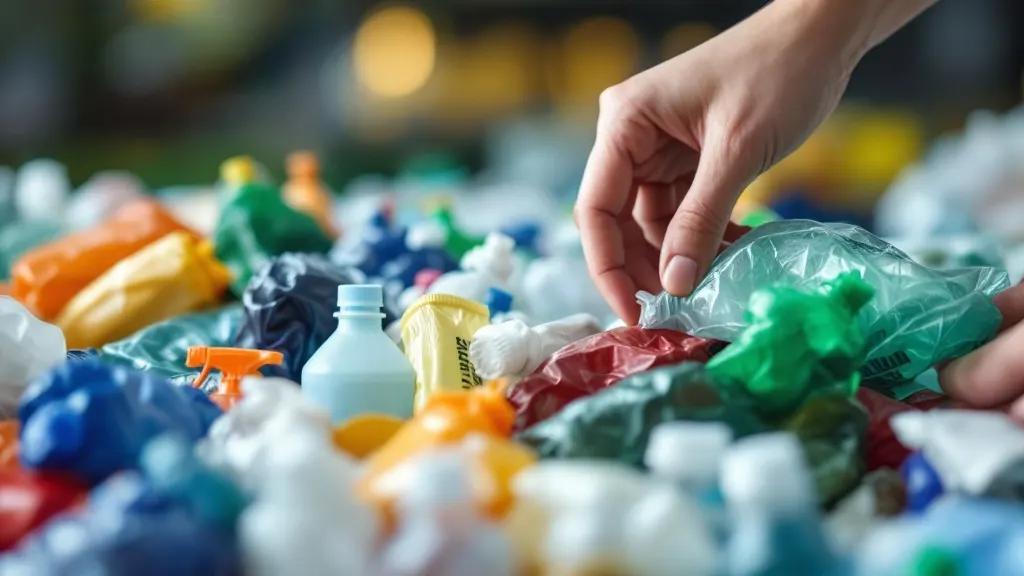
The simplest way to know if something belongs in the scheme is the scrunch test: if you can scrunch it into a ball in your hand and it stays scrunched, it's a soft plastic. This includes bread bags, pasta and rice packets, chip and biscuit wrappers, frozen food bags, bubble wrap, courier bags, plastic shopping bags, and the plastic film around toilet paper and multipacks. Anything rigid that springs back — like a meat tray or a yoghurt pot — is a hard plastic and belongs in your yellow bin or general waste instead.
Drop-off bins are located at participating supermarkets and retailers, most commonly at the front of large Countdown/Woolworths, New World and Pak'nSave stores, along with some Warehouse and Briscoes outlets. Because store participation changes over time and isn't available in every town, the best move is to check the official Soft Plastics scheme website, which has an up-to-date map of collection points near you. Bins are usually near the entrance or checkout area, so you can drop your bag off on your next grocery run without a special trip.
A little preparation makes a big difference to whether your plastics actually get recycled. Make sure everything is clean, dry and empty — rinse out any food residue and let it dry, because contaminated or wet plastics can spoil a whole collection. Remove receipts, paper labels and any hard components. It helps to keep a dedicated bag or container at home to collect your soft plastics through the week, then empty the lot into the store bin when it's full.
It's worth being realistic, too. The scheme has faced real challenges finding enough end markets to process everything collected, so reducing the soft plastic you use in the first place is even more powerful than recycling it. Choosing loose fruit and vegetables, taking reusable produce and shopping bags, buying in bulk, and favouring cardboard or paper packaging all cut down what you need to dispose of. If there's no drop-off point in your area, soft plastics unfortunately have to go in your red general-waste bin — they are not accepted at kerbside.
The takeaway is straightforward: scrunch-test your plastic, keep it clean and dry, and drop it at a participating store bin rather than tossing it in the yellow recycling bin. Check the scheme's online locator before you head out, and lean on reduction where you can. Every bag returned to the right place is one less piece of plastic clogging our landfills and waterways.
Where to take it in New Zealand
Find sites and drop-off points near you that handle the items covered in this guide.
Find soft plastics drop-off points near you