WasteMate is an independent service and is not affiliated with any council. Always confirm local rules with your council. Report an error.
What You Can and Can't Put in a Council Food Scraps Bin
New Zealand generates a surprising amount of food waste, and when much of it still ends up in general rubbish where it rots in landfill and produces methane, a potent greenhouse gas. As more councils roll out kerbside food scraps collections \u2014 usually a small green bencaor bin with a locking lid \u2014 diverting food to composting or anaerobic digestion becomes a genuinely powerful way to cut emissions. But these systems only work well when the contents are right. Contamination with the wrong materials can spoil an entire truckload and send it to landfill anyway.
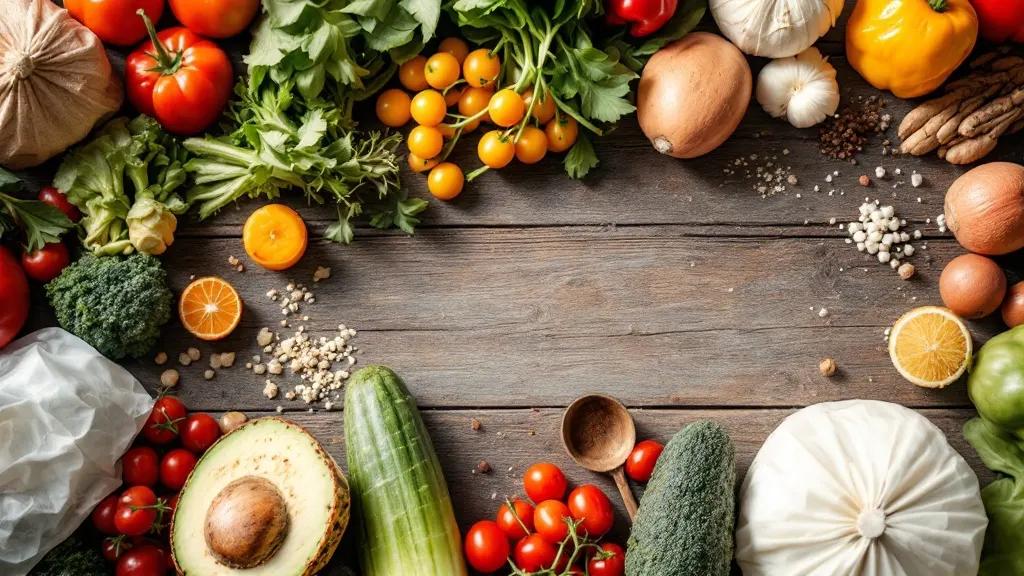
The good news is that most food is welcome. You can put in all your cooked and raw kitchen scraps: fruit and vegetable peelings, meat and fish including small bones, bread, rice, pasta, dairy, eggshells, cheese, and leftover plate scrapings. Tea leaves, coffee grounds, and food that's gone off in the fridge all belong there too. Because these bins are processed at commercial facilities that reach high temperatures, they handle things a backyard compost heap often can't \u2014 including meat, bones, and cooked food.
What causes the most trouble is packaging and 'compostable' products. Do not put plastic bags, plastic wrap, takeaway containers, or plastic-lined coffee cups in the food scraps bin. Crucially, most so-called compostable or biodegradable bin liners, cutlery, and packaging are NOT accepted by council food scraps processing \u2014 they often don't break down properly in the system and are treated as contamination. Line your caddy with newspaper, paper towel, or nothing at all rather than a compostable plastic liner, unless your council specifically says its liner is approved.
A few other items regularly get put in by mistake. Keep out garden waste like grass clippings and branches unless your council explicitly combines food and green waste \u2014 many collections are food-only. Also leave out liquids and cooking oil, nappies, pet waste and kitty litter, ash, corks, rubber bands, produce stickers, and the twist ties or elastic bands from vegetable bunches. These are small things that are easy to overlook, so give your scraps a quick check before they go in.
Because the exact rules vary from one district to the next, it's always worth checking your local council website or the flyer that came with your bin. Some areas accept garden waste alongside food; others are strict about food only. If your council hasn't rolled out a food scraps service yet, a home compost bin, bokashi system, or worm farm is a great alternative for keeping scraps out of landfill.
The simplest takeaway is this: if it grew and you could eat it, it almost certainly belongs in the food scraps bin \u2014 and if it's packaging, plastic, or labelled 'compostable', keep it out unless your council says otherwise. Getting it right keeps the whole system working and turns your leftovers into compost or energy instead of landfill methane.