WasteMate is an independent service and is not affiliated with any council. Always confirm local rules with your council. Report an error.
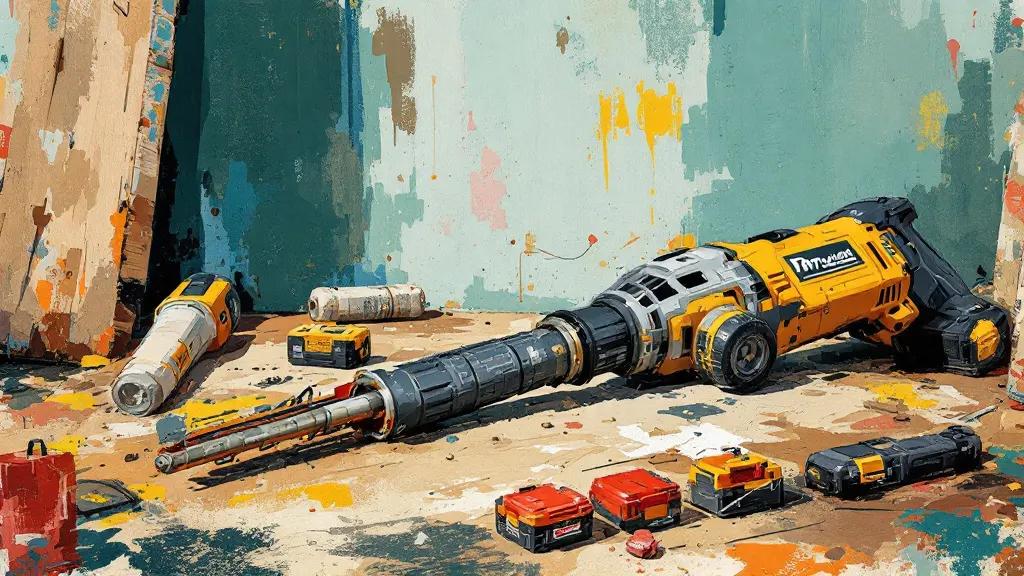
What to Do With Old Power Tools and Their Batteries
That dead cordless drill in the shed is more than just clutter — it's a small pile of valuable metals and, quite often, a genuine fire hazard. Power tools contain copper, steel and electronic components that can be recovered and reused, while their rechargeable batteries hold lithium-ion or nickel-based cells that can ignite if they're crushed, punctured or overheated. This is exactly what happens when they end up in a rubbish truck or at a sorting facility. Battery fires are a growing problem in New Zealand's waste system, so keeping tools and their batteries out of both the red general-waste bin and the yellow recycling bin is the single most important thing you can do.
Before you write a tool off completely, consider whether it still has life in it. A tool that won't run is often just suffering from a tired battery, a worn brush or a frayed cord — all fixable. Repair Café events run in many towns and cities, where volunteers help you breathe life back into gear for free. If the tool still works but you no longer need it, donation is a great option: hospice shops, Menzshed groups, community workshops, and men's sheds are frequently glad to take working drills, sanders and saws. Trade-based recyclers and second-hand tool dealers may also buy or accept quality brands.
When a tool really has reached the end of the line, treat it as e-waste rather than rubbish. Remove the battery first if you can, because tools and batteries usually go to different recycling streams. Most transfer stations and community recycling centres accept electronic waste, though many charge a small fee per item, and a few offer free drop-off days — it's worth checking your local council website or ringing your nearest transfer station to confirm what they take and what it costs. Corded tools count as e-waste too, so don't just bin them because they lack a battery.
The batteries need special care. Loose lithium-ion battery packs should never go in any household bin. Look for a dedicated battery drop-off point — many Bunnings and Mitre 10 stores, along with some libraries and council facilities, host battery recycling collection bins through product stewardship and take-back programmes. To transport them safely, tape over the terminals with a piece of electrical or masking tape to prevent short-circuiting, and store them somewhere cool and dry away from anything flammable until you can drop them off. If a battery is swollen, hot, leaking or damaged, keep it outside in a non-flammable container and contact your local transfer station or council for advice before moving it far.
A practical rule of thumb: repair or donate if the tool still works, recycle the tool as e-waste at a transfer station or recycling centre if it doesn't, and always separate the battery for a dedicated battery drop-off. Never put power tools or their batteries in the kerbside yellow or red bins. Because acceptance and fees vary quite a bit around the country, a quick check with your local council or product stewardship scheme before you head out will save you a wasted trip — and help keep those valuable materials in use and out of the fire-risk pile.
Where to take it in New Zealand
Find sites and drop-off points near you that handle the items covered in this guide.
Find battery recycling drop-off points