WasteMate is an independent service and is not affiliated with any council. Always confirm local rules with your council. Report an error.
The True Cost of Sending Waste to Landfill in New Zealand
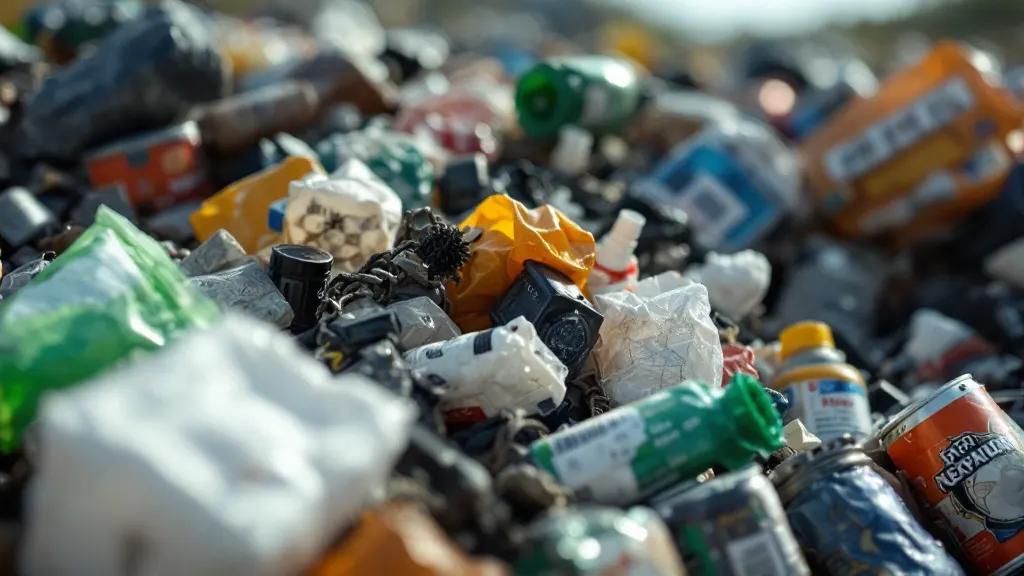
When you drop a bag of rubbish into the red bin or drive a trailer-load to the transfer station, it's easy to think of it as the end of the story. In reality, landfill is one of the most expensive and environmentally costly ways we deal with our waste in New Zealand. The true cost goes far beyond the fee you pay at the gate — it includes climate impact, lost resources, and long-term management of the land itself. Understanding these costs is the first step toward making better choices at home.
The most obvious cost is financial. New Zealand charges a waste disposal levy on material sent to landfill, and that levy has been rising steadily to encourage waste reduction. On top of the levy, there's GST and the operating cost of the landfill itself, all of which flow through to your council rates and the gate fees you pay. In short, the more we send to landfill, the more we all pay — both directly and through our rates.
Then there's the climate cost. When food scraps, garden waste, paper and other organic material break down in a landfill without oxygen, they produce methane — a greenhouse gas far more potent than carbon dioxide over the short term. Organic waste is one of the biggest contributors to landfill emissions in New Zealand, which is exactly why kerbside food-scraps collections (the green bin in many areas) and home composting matter so much. Keeping organics out of landfill is one of the single most effective things a household can do.
Landfill also represents a permanent loss of resources. Every aluminium can, glass bottle, clean plastic container or sheet of cardboard that ends up buried is material that could have been recycled and remade into something new. Once it's compacted under layers of rubbish, that value is gone for good, and we have to mine, harvest or manufacture replacements from scratch. Sorting your recycling properly into the yellow bin, and using product stewardship schemes for things like soft plastics, batteries, tyres and e-waste, keeps those materials in circulation.
Finally, landfills carry a long legacy cost. They take up land, must be carefully lined and monitored to protect soil and groundwater, and need managing for decades after they close. Leachate — the contaminated liquid that forms as waste breaks down — has to be collected and treated, and that responsibility doesn't end when the site is full. These are costs future generations inherit from the waste we create today.
The good news is that we have real power to shrink these costs. Reduce what you buy and throw away, compost or use your food-scraps bin, recycle correctly through your kerbside yellow bin, and divert hazardous and specialist items to the right stewardship schemes or your local community recycling centre. Because rules vary around the country, check your local council for exactly what's accepted where you live. Every item kept out of landfill saves money, cuts emissions, and protects the land for the future.