WasteMate is an independent service and is not affiliated with any council. Always confirm local rules with your council. Report an error.
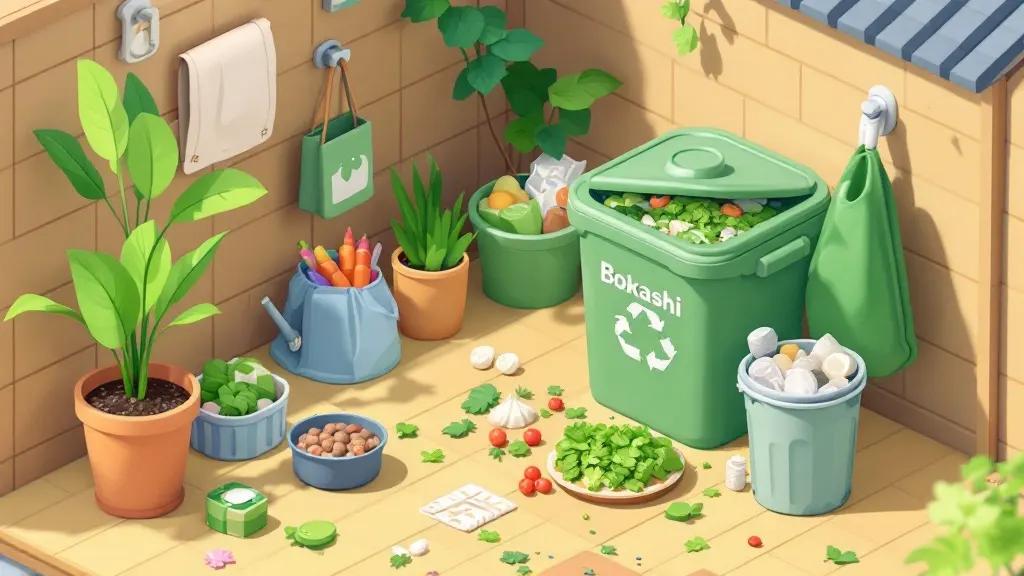
How to Start a Bokashi Bin in a Small NZ Home
If you live in an apartment, townhouse or small flat, composting can feel out of reach — there's no room for a big bin and nowhere to spread the finished compost. That's exactly where a Bokashi system shines. Instead of rotting your scraps in the open air, Bokashi ferments them in a sealed bucket using beneficial microbes, so it produces almost no smell and takes up barely more space than a rubbish bin. For many New Zealanders this is the difference between food scraps going to landfill (where they create methane) and being turned into something genuinely useful for a garden, a friend's place, or a community garden.
To get started you need two things: a Bokashi bucket with a tight-fitting lid and a tap at the bottom, and a supply of Bokashi bran (also called inoculant), which is bran coated in effective microorganisms. You can buy kits from garden centres, hardware stores and many NZ council or community recycling shops — some councils even subsidise them, so it's worth checking your local council website first. Ideally get two buckets so one can rest and ferment while you fill the other. Set the bucket up somewhere handy but out of direct sunlight, like under the kitchen bench or in a laundry cupboard.
Using it is straightforward. Add your food scraps in layers — cooked or raw fruit and vege, bread, small amounts of meat, dairy and even citrus are all fine, which is a big advantage over worm farms. Chop larger items so they pack down well. Every time you add scraps, sprinkle a generous handful of Bokashi bran over the top, then press the waste down firmly with a plate or masher to squeeze out air, and close the lid tightly. Fermentation is anaerobic, so the less air the better. Avoid adding liquids, large bones or anything mouldy.
Every few days, drain off the 'Bokashi juice' from the tap into a container. This liquid is potent — diluted about one part to a hundred parts water, it makes an excellent fertiliser for pot plants and gardens. Undiluted, it's also handy poured down drains to help keep them clear. A healthy Bokashi bin smells sweet and slightly sour, a bit like pickles or cider vinegar. A foul, rotten or putrid smell means something's gone wrong — usually too much moisture or not enough bran — so add extra bran and press the contents down harder.
When the bucket is full, seal it and leave it to ferment for around two weeks. What comes out isn't finished compost — it's pickled, pre-digested food that still needs to break down in soil. If you have even a small garden or a couple of large planters, dig a trench, bury the fermented waste, cover it with 10–15cm of soil, and it will disappear within a few weeks. No garden? Ask a neighbour with a vege patch, offer it to a nearby community garden, or add it to a green food-scraps kerbside bin if your council accepts it (check first, as rules vary by area).
The practical takeaway is that Bokashi is one of the most realistic composting options for small-space living in Aotearoa: it's odour-free when managed well, handles a wide range of food waste, and gives you both a liquid fertiliser and rich material for soil. Start with a two-bucket setup, keep your bran topped up, press out the air, and you'll steadily divert a surprising amount of waste from landfill without needing a backyard.