WasteMate is an independent service and is not affiliated with any council. Always confirm local rules with your council. Report an error.
How to Recycle Old Cables, Chargers and Cords
Almost every household in New Zealand has that one drawer stuffed with mystery cables, dead phone chargers and cords that no longer connect to anything. It's tempting to toss them in the general waste bin, but old cables and chargers are electronic waste (e-waste), and they don't belong in kerbside rubbish or your yellow recycling bin. They contain valuable materials like copper, aluminium and small amounts of precious metals, alongside plastic sheathing and sometimes hazardous components that need proper handling.
The reason this matters is twofold. First, when cables go to landfill, all that recoverable copper and metal is lost for good, and any plastic and flame-retardant coatings can leach into the environment over time. Second, and importantly, cables and thin cords are a genuine hazard in kerbside recycling systems. They tangle around the spinning machinery at sorting facilities, jamming equipment and creating safety risks for workers. This is exactly why loose cables must never go in the yellow bin, even though they look like they should be recyclable.
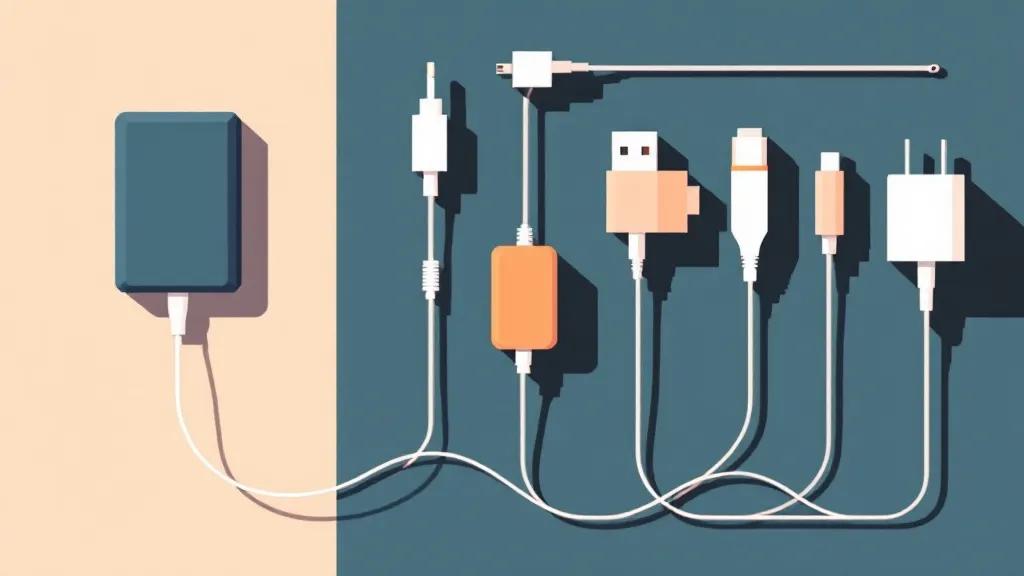
The good news is that recycling them properly is straightforward. Start by gathering everything into one bag — phone chargers, USB cables, laptop power bricks, HDMI cords, old headphones and extension leads. Give each item a quick check first: working chargers and cables can be donated to op shops, community repair cafés, or passed on to friends and family, which is always the best outcome. Anything genuinely dead or obsolete should head to an e-waste recycler rather than the bin.
Most transfer stations and community recycling centres around the country now accept e-waste, and many have dedicated drop-off points for cables, chargers and small electronics. There are also nationwide e-waste programmes and drop-off partners, and some electronics retailers run take-back services when you buy a replacement. A small fee sometimes applies to cover safe processing, but it's usually modest. Because acceptance and pricing vary by area, it's worth a quick call to your local council or a search of their website to find your nearest e-waste drop-off and what they take.
A few practical tips make the whole job easier. Coil each cable and secure it with a tie or its own cord so they don't tangle in transit. Keep chargers with their cables where possible, as the whole unit is recyclable together. Don't attempt to strip cables for copper yourself — it's not worth the effort or risk, and recyclers handle separation properly. If a charger has a built-in or attached battery (like some power banks or cordless device leads), flag it separately, as batteries need dedicated battery recycling and can be a fire risk if damaged.
The simple takeaway: never put cables, cords or chargers in your kerbside bins. Donate what still works, then set aside the rest for a proper e-waste drop-off at your transfer station or recycling centre. A five-minute trip clears out that cluttered drawer, keeps hazards out of the recycling stream, and sends valuable copper and metals back into use where they belong.
Where to take it in New Zealand
Find sites and drop-off points near you that handle the items covered in this guide.
Find e-waste drop-off points near you