WasteMate is an independent service and is not affiliated with any council. Always confirm local rules with your council. Report an error.
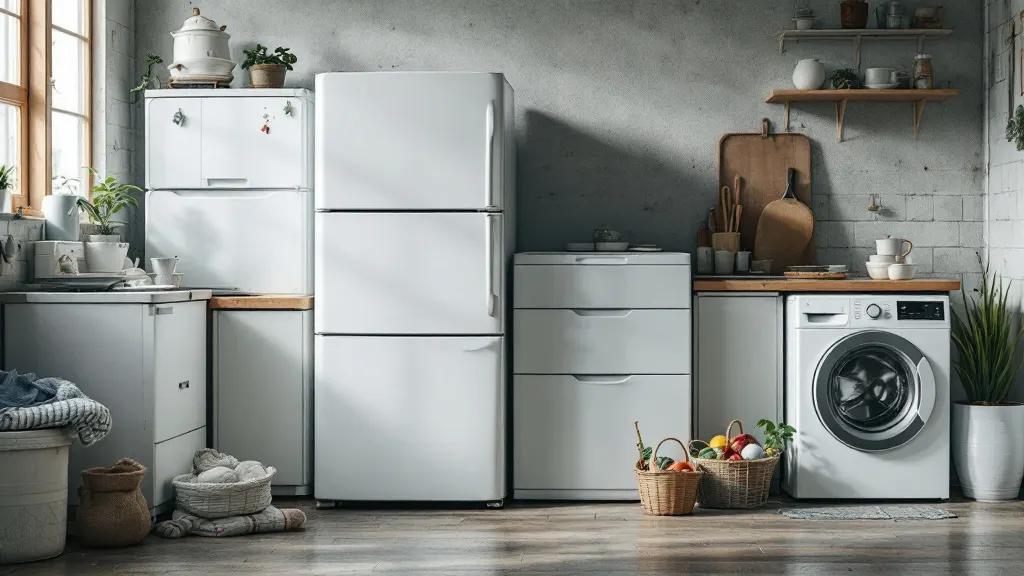
Getting Rid of Old Whiteware: Fridges, Washers and Dryers
When a fridge, washing machine or dryer finally packs it in, it's tempting to shove it out the back or wait for an inorganic collection. But whiteware is one of the worst things to send to landfill. These appliances are built largely from steel, aluminium, copper and other metals that can be recovered and reused almost endlessly, and many older fridges and freezers contain refrigerant gases and insulation foams that are potent greenhouse gases if released. Dealing with them properly keeps valuable metal in circulation and stops harmful gases from escaping into the atmosphere.
The first question to ask is whether the appliance still works, or could with a small repair. A washing machine or dryer that runs fine but is simply surplus can often be sold on Trade Me or Facebook Marketplace, or donated to community organisations, refuges, or reuse shops that refurbish and rehome goods. Some cities have social enterprises that repair and resell whiteware, giving your old machine a second life and someone else an affordable appliance. A quick fix from a repair technician is frequently cheaper and far greener than replacement, so it's worth getting a quote before you write anything off.
If the appliance is genuinely dead, aim for scrap-metal and appliance recyclers rather than the tip face. Most scrap-metal yards will happily take washers, dryers and fridges, and some will even pay a small amount for the metal or collect larger loads for a fee. Many transfer stations and community recycling centres also accept whiteware, sometimes at a reduced rate compared with general waste because the metal has resale value. Ring ahead to confirm pricing and whether they handle fridges, as refrigerant-containing appliances need special processing.
Fridges and freezers deserve extra care. The refrigerant and the foam insulation must be safely degassed by a trained operator before the metal can be recycled, so never try to dismantle one yourself or dump it where the gas could leak. Check that whoever takes your fridge is set up to remove the refrigerant properly. As a safety step at home, always remove or disable the door of any old fridge or freezer before it leaves your property, so a child can't become trapped inside while it's waiting for collection.
Collection options vary a lot by region. Many councils run periodic inorganic or hard-waste collections where whiteware can be booked in, and some retailers offer a take-back service, hauling away your old appliance when they deliver the new one. Because rules, fees and accepted items differ from place to place, check your local council website or phone them before you commit to a method. A little planning turns a bulky headache into a straightforward recycling job.
The practical takeaway: don't landfill whiteware. Sell or donate anything that still works or can be repaired, and send the rest to a scrap-metal yard, transfer station or appliance recycler that can recover the metals and safely degas fridges. Remove fridge and freezer doors first, confirm any fees and collection details with your local council, and you'll be doing right by both your wallet and the environment.
Where to take it in New Zealand
Find sites and drop-off points near you that handle the items covered in this guide.
Find e-waste drop-off points near you